This bill bars entry to and mandates the deportation of close family members of designated terrorists, officials from adversarial nations, and sanctioned kleptocrats.
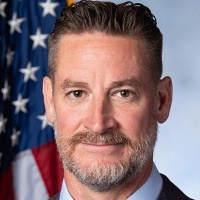
W. Steube
Representative
FL-17
The "No Safe Haven for Terrorist Families Act" amends immigration law to bar entry to and mandate the deportation of specified close family members of foreign threat actors, including designated terrorists and senior officials from adversarial nations. This measure expands inadmissibility grounds to address national security risks posed by relatives of individuals involved in terrorism, state sponsorship of terrorism, or significant corruption. The Act requires mandatory visa revocation and prioritizes the removal of these inadmissible individuals, eliminating most forms of discretionary relief.
No Safe Haven Act Targets Extended Family of Foreign Officials: New Deportation Rules for Relatives of Adversaries
The No Safe Haven for Terrorist Families Act creates a sweeping new standard for who is allowed to live in or visit the United States, shifting the focus from an individual's own actions to the actions of their distant relatives. Under Section 3, the bill mandates that family members of 'foreign threat actors'—a list that includes senior officials from countries like China, Russia, Iran, North Korea, and Cuba—are automatically inadmissible for entry and subject to deportation if they are already here. This isn't just about immediate family; the net is cast wide to include everyone from spouses and children to grandparents, siblings, and even nieces or nephews.
The Family Tree Trap
This bill fundamentally changes the 'guilt by association' rules for immigration. Currently, if you haven't done anything wrong, your relative’s bad behavior doesn't usually get you kicked out of the country. This legislation flips that script. For example, imagine a software engineer who has lived in the U.S. for a decade on a green card. If their uncle back home is suddenly designated as a 'senior official' in a foreign adversary's government or sanctioned for corruption under the Global Magnitsky Act, that engineer could face mandatory deportation under Section 4. The bill defines 'covered family members' so broadly that even a former spouse or a stepchild could find their legal status revoked based on the career path of a relative they may not have spoken to in years.
No Second Chances
One of the most intense parts of this bill is Section 4, which strips away the safety nets usually available in immigration court. Typically, a judge can look at a case and decide that someone shouldn't be deported because they have deep roots in the community or because their removal would cause extreme hardship to their U.S. citizen children. This bill removes that 'discretionary relief.' If you fall under these new categories, the Secretary of Homeland Security is required to prioritize your removal, and you are barred from applying for an adjustment of status or cancellation of removal. It’s a 'one strike and you’re out' policy where the 'strike' wasn't even committed by you.
Looking Backward and Moving Fast
The rules aren't just for people moving here in the future; Section 7 makes the law retroactive. This means the government can look at existing green card holders and visa residents and apply these rules to them immediately. Within 180 days of the bill becoming law, the government must implement 'enhanced screening' using intelligence databases to hunt for these family connections. While the goal is to squeeze the resources and influence of foreign adversaries, the practical reality is that it puts thousands of people—from students to healthcare workers—at risk of losing their lives in the U.S. because of a family tree they didn't choose.