The Protect Our Homes Act establishes an SBA loan program to provide supplemental funding for community organizations to repair residential common areas and implement disaster mitigation measures following natural disasters.
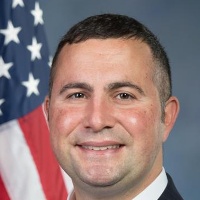
Darren Soto
Representative
FL-9
The Protect Our Homes Act establishes a Small Business Administration (SBA) loan program to provide supplemental financial assistance to residential community organizations for the repair of common areas following natural disasters. These loans also fund mitigation measures to protect residential communities from future disaster-related damage. This program serves as a vital resource for communities that have exhausted their primary disaster loan limits.
New 'Protect Our Homes' Act Offers Up to $2 Million in Supplemental Loans for HOA and Condo Disaster Repairs
The Protect Our Homes Act creates a safety net for those shared spaces that often fall through the cracks after a catastrophe. It establishes a supplemental loan program through the Small Business Administration (SBA) specifically for residential community organizations—think HOAs, condo boards, and townhome associations. These loans kick in once a community has already hit the borrowing limit on standard SBA disaster loans, providing up to $500,000 for most groups (and up to $2 million for major local employers) to fix common areas like lobbies, roofs, and shared grounds damaged by 'acts of God' like fires, floods, or windstorms.
Filling the Gap in the Common Area
If you live in a condo or a managed community, you know that while your individual unit is your responsibility, the 'everything else'—the elevators, the siding, the community pool—belongs to the association. When a major hurricane or wildfire hits, the standard SBA disaster loan might not cover the full cost of rebuilding those shared assets. Under Section 2 of this bill, these new 'Repair Loans' can be used to bridge that financial gap. For a resident, this could mean the difference between a massive, immediate 'special assessment' fee added to your monthly dues and the association taking out a low-interest, 30-year loan to spread that cost out over time.
Building for the Next Big One
This legislation doesn't just look backward at what broke; it looks forward at what might break next. The bill introduces 'Mitigation Loans' for communities located in 'recent disaster areas'—defined as places hit by a major disaster within the last five years. These funds are earmarked for protective measures to prevent future damage. For example, if a townhouse complex was flooded three years ago, the association could use a mitigation loan to install permanent flood barriers or improved drainage systems. It’s a proactive approach designed to stop the cycle of 'break, fix, repeat' that many coastal and fire-prone communities face.
The Fine Print on Payback
While these are loans and not grants, the terms are designed to be relatively borrower-friendly. The interest rate is capped at the federal government’s own borrowing rate plus a tiny 0.25% margin, and the SBA can’t demand collateral for any loan under $14,000. Perhaps most importantly for a community struggling to get back on its feet, the bill allows the SBA to defer principal and interest payments, giving the neighborhood time to recover before the bills start coming due. By defining 'covered entities' strictly as organizations where every homeowner is a member, the bill ensures these funds are directed toward resident-owned communities rather than commercial landlords.