This bill prohibits the U.S. from granting Hong Kong special treatment compared to China and mandates sanctions against foreign individuals and entities undermining democracy and human rights in Hong Kong.
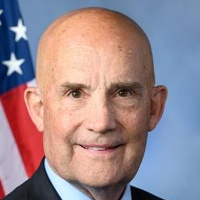
Keith Self
Representative
TX-3
The Hong Kong Equal Treatment Act prohibits the U.S. government from granting Hong Kong any special treatment separate from the People's Republic of China. It mandates the President to impose sanctions, including asset freezes, on foreign individuals and entities responsible for undermining democracy, human rights, or autonomy in Hong Kong. These sanctions target those involved in enforcing the National Security Law or suppressing freedoms within the region.
Hong Kong Equal Treatment Act Ends Special Status and Mandates Asset Freezes for Rights Violators
The Hong Kong Equal Treatment Act fundamentally shifts how the United States interacts with Hong Kong. For decades, the U.S. has treated Hong Kong as a separate entity from mainland China for trade, travel, and diplomacy. This bill effectively hits the 'delete' key on that distinction, prohibiting any U.S. government agency from giving Hong Kong special treatment compared to the People’s Republic of China, regardless of what previous laws might say. Beyond just changing trade status, the bill requires the President to freeze the assets and property of any foreign person or group found to be undermining Hong Kong’s autonomy or democratic processes.
The End of the 'Special' Relationship By mandating that Hong Kong be treated exactly like mainland China, this bill could change the daily grind for anyone involved in international business or logistics. Imagine you’re a small business owner importing electronics or a tech worker managing data flows; the streamlined rules that used to apply to Hong Kong would disappear, replaced by the same heavy regulations and tariffs that apply to China. This isn't just a diplomatic snub; it’s a policy shift that could increase costs and paperwork for U.S. companies that previously used Hong Kong as a more 'user-friendly' gateway to the Asian market.
Freezing the Assets of Bad Actors The bill gets very specific about who gets hit with sanctions. Under Section 2, the President must use the International Emergency Economic Powers Act (IEEPA) to block transactions and freeze the property of people involved in 'coercing, arresting, or detaining' individuals under China’s National Security Law. This also extends to anyone involved in censorship or 'extrajudicial rendition' (essentially kidnapping). For a bank manager or a compliance officer in the U.S., this means a lot more time spent auditing accounts to ensure they aren't accidentally processing money for a sanctioned official or a board member of a blacklisted entity.
Broad Power and Potential Ripple Effects While the goal is to hold human rights violators accountable, the bill’s language is broad enough to catch a lot of people in its net. It doesn't just target government officials; it targets anyone providing 'material assistance' or 'technological support' to those already sanctioned. This could create a 'six degrees of separation' problem where U.S. tech firms or financial service providers have to be extremely cautious about who their international clients are doing business with. The bill’s medium level of vagueness regarding what exactly 'undermines democratic processes' gives the Treasury and State Departments significant room to decide who loses their access to the U.S. financial system, which is a powerful tool that requires careful handling to avoid unintended economic fallout for regular folks.