This bill mandates that patent applicants disclose any relevant ties or financial relationships with designated foreign adversaries, including the People's Republic of China, during the five years preceding the application filing.
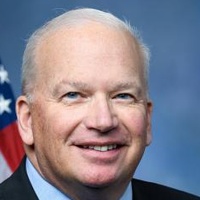
Scott Fitzgerald
Representative
WI-5
The Foreign Adversary Patent Disclosure Act mandates that patent applicants disclose specific financial and employment ties to designated foreign adversaries, including the People's Republic of China and Russia. This requirement applies to individuals with an ownership interest in the invention who have recent connections to these entities through employment, funding, or other financial incentives. The USPTO Director can request verification of these disclosures, though small businesses with existing reporting requirements are exempt.
Foreign Adversary Patent Disclosure Act Mandates 5-Year History Check on International Ties for New Inventions
The Foreign Adversary Patent Disclosure Act introduces a new compliance layer for inventors by requiring anyone filing a patent application to disclose specific financial or professional ties to 'foreign adversary' nations—specifically China, Cuba, Iran, North Korea, and Russia. Under Section 2, applicants must identify any person with an ownership interest in the invention who, within the five years prior to filing, worked for an entity controlled by these countries or received funding from their state-affiliated talent recruitment programs. This isn't just about direct government contracts; it covers any 'financial incentive' connected to the patent’s development or enforcement, effectively creating a mandatory paper trail for international collaboration.
The Paperwork of Patriotism
For a software developer who recently moved from a tech hub in Shanghai to a startup in Austin, or a researcher who participated in a cross-border academic exchange, this bill adds a significant administrative hurdle. If you’ve received a grant or worked for a state-linked university in a listed country within the last five years, you’ll have to flag that on your application. Section 2 also gives the Director of the Patent and Trademark Office the power to demand 'true copies' of contracts and financial agreements to verify these disclosures. While the bill promises to keep these documents confidential and separate from the public patent file, it adds a layer of government scrutiny that could slow down the already lengthy process of securing intellectual property.
Broad Definitions and Real-World Friction
The bill uses broad language, such as 'other financial incentive,' which could catch a wide net of standard business activities. For example, an engineer at a mid-sized manufacturing firm who previously received a performance bonus from a Russian-affiliated firm might trigger these disclosure requirements. While small businesses that already report similar data under the Small Business Act are exempt, larger startups and established companies will need to perform deeper due diligence on their employees' and partners' histories. This could create a 'chilling effect' on hiring international talent or pursuing joint ventures, as the risk of an audit or a complicated disclosure process might make certain collaborations look more like a liability than an asset.
Security vs. Innovation Speed
At its core, the bill seeks to prevent foreign adversaries from using the U.S. patent system to gain strategic advantages or influence domestic technology. By tracking who is funding and owning the ideas that drive our economy, the government aims to shore up national security. However, the practical challenge lies in implementation. The requirement to look back five years means companies must maintain meticulous records of their contributors' past affiliations. For the average worker in a globalized industry, this means your professional history is no longer just a resume—it’s a potential regulatory data point that could affect how quickly your company can protect its next big idea.