This bill establishes comprehensive NIL rights, health and academic protections for student athletes, and reforms college sports broadcasting by creating a collective media rights entity.
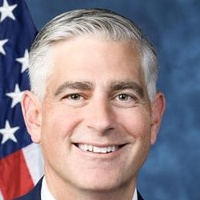
Michael Baumgartner
Representative
WA-5
The Protect College Sports Act of 2026 comprehensively reforms college athletics by establishing clear Name, Image, and Likeness (NIL) rights and robust health and academic protections for student athletes. It also restructures media rights sales, allowing conferences to collectively bargain for broadcasting deals under specific conditions that safeguard non-revenue sports and ensure local game access. Overall, the bill aims to promote fair competition, increase athlete financial stability, and provide greater governance influence for players.
Protect College Sports Act of 2026: New NIL Rights, Guaranteed Medical Coverage, and Free Local Game Access for Fans.
College sports are about to undergo a massive renovation. This bill fundamentally changes the deal for student athletes, moving them away from the old-school 'amateur' model and into a system that looks much more like a professional workplace. Starting with Name, Image, and Likeness (NIL), Division I athletes can no longer be stopped from making money. However, there’s a catch: any deal over $600 must be disclosed to the school, and the pay has to reflect 'fair market value.' Basically, a backup punter can’t get paid a million dollars for a single tweet if a non-athlete influencer with the same following wouldn't get that. It’s a move toward transparency that aims to keep the recruiting trail from turning into a total Wild West.
More Than Just a Game
For the athletes, the protections go way beyond the paycheck. Schools will now be required to cover out-of-pocket medical costs for sports injuries for up to five years after a player hangs up their jersey (Title I). This is a game-changer for a walk-on at a mid-major school who might have otherwise been stuck with a knee surgery bill long after their playing days ended. The bill also puts a safety net under their education: scholarships can’t be yanked just because a player gets injured or isn't performing on the field. Plus, if life gets in the way, former athletes have a 10-year window to come back and finish their degree on the house. It treats these players like students with careers, not just disposable talent.
The Fan Experience and the 'Big Money' Shield
If you’re tired of needing five different streaming subscriptions just to watch your local team, this bill has your back. It mandates that football and basketball games must be available for free on local TV or streaming in the team's home market (Title II). To make this happen, the bill allows schools to team up and sell their media rights as one big group without catching an antitrust lawsuit. While this sounds like a win for your wallet, it does create a massive 'covered entity' that will hold a lot of power over what we see and when we see it. To keep things from getting too corporate, the bill forces these conferences to keep traditional rivalries alive—meaning they can't just chase the biggest TV market if it means killing off a 100-year-old cross-state feud.
The Cost of Doing Business
While the big-name schools will likely handle these changes just fine, smaller programs might feel the squeeze. Between the new $60 million health fund, mandatory independent medical staff, and the administrative headache of reporting every $600 NIL deal, the 'business of sports' is getting more expensive. There’s also a hard cap on conference growth; any conference making over $1 billion can’t just swallow up other leagues to become a 'mega-conference.' We’re looking at a future where athletes have more rights and fans have better access, but the financial gap between the 'haves' and 'have-nots' in college sports could get even wider as the rules of the game get more complex.