This act mandates that states annually report to the federal government on fraud detection and prevention efforts within their Medicaid home and community-based services programs.
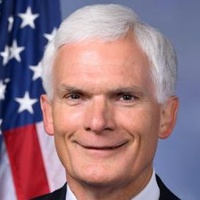
Robert Latta
Representative
OH-5
The HCBS Anti-Fraud Reporting Act of 2026 mandates that states annually report to the Secretary of Health and Human Services regarding any waste, fraud, or abuse identified within their Medicaid home and community-based services programs. This legislation requires states to detail both the detection of such issues and the preventative measures they are implementing.
HCBS Anti-Fraud Reporting Act Mandates Annual State Medicaid Audits Starting 2026
Starting in 2026, the HCBS Anti-Fraud Reporting Act of 2026 requires states to pull back the curtain on how they manage Home and Community-Based Services (HCBS). Under Section 2, every state must submit an annual report to the Secretary of Health and Human Services detailing every instance of waste, fraud, and abuse they’ve uncovered within these Medicaid-funded programs. It’s not just about listing the problems, though; states are also required to document exactly what they are doing to prevent these issues from happening in the first place. By focusing on section 1915(c) of the Social Security Act, the bill targets the specific waivers that allow seniors and people with disabilities to receive care at home rather than in a nursing facility.
Following the Paper Trail
This bill essentially creates a mandatory annual performance review for state Medicaid departments. For someone managing the care of an aging parent or a family member with a disability, this means more eyes on the providers coming into your home. If a shady agency is billing for hours they didn't work or skipping out on required care, this law forces the state to track those failures and report them to the federal government. By requiring states to disclose their prevention efforts, it pushes local officials to move beyond just reacting to fraud and start building better guardrails to protect the program's budget and its participants.
Accountability for Every Dollar
Because the bill has a low level of vagueness, the requirements are straightforward: if a state finds a leak in the system, they have to talk about it. For the average taxpayer, this is about ensuring that the billions of dollars funneled into home care are actually reaching the people who need them, rather than being drained by administrative errors or bad actors. While the bill doesn't change the services you receive today, it sets up a long-term accountability loop. The real-world test will be whether states use these reports to simply check a box or if the data leads to tighter oversight of the agencies that provide essential daily support to millions of Americans.