This bill mandates that political committees clearly disclose when they pay individuals to post content on digital platforms.
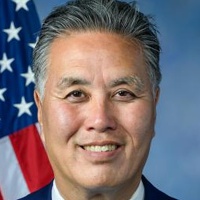
Mark Takano
Representative
CA-39
The Promoting Authenticity with Influencer Disclaimers Act mandates that political committees clearly disclose when they have paid an individual to post content online. This ensures that consumers can easily identify paid political messaging across digital platforms. The law sets standards for conspicuous disclaimers and establishes an effective date of January 1, 2027.
New Influencer Disclosure Rules Set for 2027: Political Groups Must Flag Paid Social Media Posts.
If you’ve ever scrolled through your feed and wondered if that creator’s passionate political rant was a genuine opinion or a paid gig, a new bill is looking to clear things up. The Promoting Authenticity with Influencer Disclaimers Act targets political committees that pay individuals to post content on social media and digital apps. Starting January 1, 2027, any content paid for by these groups must include a clear and conspicuous disclaimer. For a graphic or video, that means the text has to be big enough for an average person to read; for a podcast or audio clip, it has to be spoken clearly. It’s essentially a 'paid partnership' tag, but for politics, ensuring that what looks like a grassroots recommendation isn't actually a hidden ad.
Putting the Cards on the Table
The bill places the burden of transparency directly on the political groups doing the hiring. Under Section 2, when a committee pays someone to post, they are legally required to notify that person about the disclaimer rule at the very moment of payment. Imagine a local political campaign hiring a popular city blogger to post about a new zoning law; the campaign can’t just cut a check and look the other way. They have to tell the blogger, 'Hey, you need to tell your followers we paid for this.' This is designed to prevent 'dark' influence where money moves behind the scenes to shape public opinion without the audience ever knowing who is footing the bill.
The Fine Print and the Exceptions
Not every post requires a tag. The bill includes specific carve-outs for content posted on a committee’s own website—since it’s already obvious who’s talking there—and for regular employees. If a staffer for a campaign posts on their personal Facebook page, they don’t need a disclaimer as long as they aren't being paid specifically for that post. However, if their primary job is to use their personal account as a megaphone for the campaign, the disclaimer requirement kicks back in. This prevents organizations from dodging the rules by simply calling their influencers 'employees' while they do the same work.
Rolling Out the Rules
While the Federal Election Commission (FEC) is tasked with hammering out the specific technical rules by the start of 2027, the bill has a 'no excuses' clause. Even if the FEC drags its feet and doesn't finalize the regulations, the law still goes into effect on January 1, 2027. For the average person scrolling through TikTok or Instagram, this means a more honest digital landscape where the line between a friend’s opinion and a paid political advertisement is much easier to see. For the influencers and committees, it means more paperwork and a higher standard for honesty in their digital strategy.