This Act designates Antifa as a domestic terrorist organization and mandates a comprehensive federal strategy to investigate, prosecute, and dismantle its networks and funding sources.
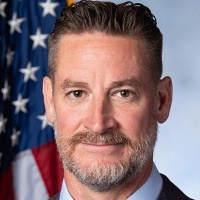
W. Steube
Representative
FL-17
The Stop ANTIFA Act of 2026 officially designates Antifa as a domestic terrorist organization due to its pattern of political violence and efforts to undermine the U.S. government. The bill directs federal agencies to use their full authority to investigate, disrupt, and dismantle the network, its funding, and its members. It prioritizes prosecuting related federal offenses and mandates a comprehensive national strategy to combat politically motivated violence and intimidation.
Stop ANTIFA Act of 2026 Designates Movement as Domestic Terrorists: Federal Agencies to Launch Nationwide Crackdown on Funding and Recruitment.
The Stop ANTIFA Act of 2026 is a sweeping piece of legislation that officially labels 'Antifa' as a domestic terrorist organization. Citing a dramatic rise in attacks on federal officers and billions in property damage, the bill moves beyond just policing riots; it creates a massive federal framework to dismantle the entire network’s infrastructure. This includes everything from how the group recruits and trains members to how it moves money through the financial system. If passed, the bill would force every major federal agency—from the IRS to the Treasury—to treat political violence and 'organized doxing' as top-tier national security threats.
The Money Trail and Tax-Exempt Status
One of the most significant shifts in this bill is the focus on the wallet rather than just the street corner. Under Section 4, the Treasury Department and the IRS are directed to hunt down financial networks that support domestic terrorism. This means the government will be scrutinizing non-governmental organizations (NGOs) and tax-exempt entities to ensure no funds are indirectly supporting political violence. For a small non-profit or a community advocacy group, this could mean significantly more red tape and the risk of losing tax-exempt status or facing a DOJ investigation if their activities are broadly interpreted as aiding 'intimidation' or 'civil disorder.' The bill specifically targets 'institutional funders,' which could put a chill on how foundations and individual donors choose to support social justice causes.
Broad Definitions and Digital Footprints
While the bill aims at 'Antifa,' the language used to describe prohibited behavior is incredibly broad, which is where things get tricky for the average person. Section 4 directs the Attorney General to prioritize prosecuting 'politically motivated acts' like doxing, swatting, and even 'trespass' or 'threats of violence.' Because the bill doesn't provide a narrow, legal definition for what counts as 'intimidation' or 'political violence,' there is a real risk that a heated protest or a controversial social media thread could be swept into a federal domestic terrorism investigation. For someone working a 9-to-5 who occasionally attends a local rally or posts sharp political critiques online, the vagueness of these terms creates a 'grey area' where legal activity might suddenly look like a federal offense to a motivated prosecutor.
New Rules for Interrogation and Surveillance
If you are arrested for something as common as 'civil disorder' or 'assaulting a federal officer,' Section 4 mandates a new interrogation protocol. Federal law enforcement must question individuals about who organized the event and who paid for it before any plea deals are even discussed. This 'investigate the network' strategy mirrors how the government handles the mob or international cartels. Additionally, the bill turns domestic terrorism into a 'national priority area,' opening up a fresh pipeline of federal grants for local police. While this means more resources for public safety, it also means your local sheriff or police department will have a much stronger incentive—and the high-tech tools—to monitor local political groups and activists under the banner of preventing domestic terror.