This Act authorizes the posthumous award of the Medal of Honor to Robert Lodge for his valorous actions in the Air Force during the Vietnam War, overriding existing time limitations.
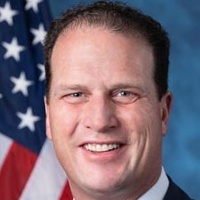
August Pfluger
Representative
TX-11
This Act authorizes the President to award the Medal of Honor to Robert Lodge for his valorous actions while serving in the Air Force during the Vietnam War on May 10, 1972. The legislation specifically waives any existing time limits that would otherwise prevent the posthumous presentation of the award.
Robert Lodge Medal of Honor Act Waives Decades-Old Deadlines to Recognize Vietnam War Valor
The Robert Lodge Medal of Honor Act is a targeted piece of legislation designed to do one specific thing: authorize the President to posthumously award the Medal of Honor to Robert Lodge for his actions on May 10, 1972. While serving in the Air Force during the Vietnam War, Lodge performed acts of valor that this bill seeks to officially recognize. Because the Medal of Honor typically has strict expiration dates for recommendations and awards, this act serves as a legislative bypass to ensure historical record-keeping matches the reality of the service provided.
Clearing the Red Tape for Heroism
In the world of military honors, there is usually a ticking clock. Under Section 9274 of Title 10 of the U.S. Code, there are specific time limits—often just a few years—within which a deed must be recognized to qualify for the Medal of Honor. This bill explicitly waives those deadlines. Think of it like a legal 'pardon' for a missed filing date; it acknowledges that while the paperwork might be late by nearly fifty years, the bravery itself doesn't have an expiration date. By citing Section 9271, the bill gives the President the legal green light to proceed with the award despite the decades that have passed since the Vietnam War.
Why This Matters Today
While this bill affects only one individual and his family, it highlights a broader trend of correcting the historical record for veterans. For a busy person today, it’s a reminder of how policy can be used to fix administrative oversights from the past. It doesn't create new taxes or change your daily commute, but it does reinforce the principle that the government can revisit its own rules to provide recognition where it's due. For the family of Robert Lodge and the community of Vietnam veterans, it represents a formal, high-level validation of service that was previously constrained by bureaucratic timelines.