The SAFEGUARD Veterans Act of 2026 reinstates and expands penalties for unauthorized fee charging by unaccredited representatives while improving transparency and resources for veterans seeking legitimate representation for VA benefits.
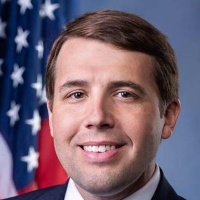
Chris Pappas
Representative
NH-1
The **SAFEGUARD Veterans Act of 2026** strengthens protections for veterans by reinstating and expanding penalties against unaccredited representatives who charge unauthorized fees for VA benefit claims assistance. The bill mandates increased transparency by requiring the VA to maintain searchable lists of accredited representatives and improve public warnings about predatory practices on all VA websites. Furthermore, it requires new data collection on paid assistance and establishes a high-availability accreditation system for recognized agents and attorneys.
SAFEGUARD Veterans Act Reinstates Criminal Penalties for Unauthorized VA Claim Fees and Cracks Down on Predatory 'Coaching'
The SAFEGUARD Veterans Act of 2026 is essentially a security system for the VA benefits process. It targets 'claim sharks'—unaccredited individuals who charge veterans hefty fees to help file for disability or other benefits. The bill makes it a federal crime to charge unauthorized fees for preparing or filing a VA claim, carrying a penalty of up to one year in prison and significant fines. It also mandates that anyone helping a veteran must be officially recognized by the VA or working under a recognized attorney. This isn't just about paperwork; it's about making sure a veteran's back pay stays in their pocket rather than going to a third-party consultant who isn't held to professional standards.
Locking the Digital Front Door
To stop predatory actors from getting their hooks in early, the bill changes how the VA talks to you online. Within 180 days of becoming law, all VA public websites must display permanent warnings against sharing login credentials or bank info with anyone. If you’re filing a claim without an official representative, the VA has to send you a direct notice with a link to a searchable database of accredited pros—and a list of people who have been banned for bad behavior. Think of it like a 'verified' checkmark for legal help, ensuring you don't accidentally hire someone who has already been blacklisted for fraud.
The Paper Trail for Paid Help
Section 5 of the bill adds a simple but effective speed bump for scammers: every VA benefit form will now ask if you paid someone for help and, if so, what their name is. This makes it much harder for 'underground' consultants to operate in the shadows. For the average veteran, this means an extra box to check, but for the system, it’s a way to flag unauthorized companies that are charging for services that veterans service organizations (VSOs) usually provide for free. The bill also requires the VA to build a high-tech accreditation system with 99.9% uptime, so attorneys and agents can certify their status and veterans can file complaints instantly if things go sideways.
Silencing the Robocalls
In a move that will likely be popular with anyone who owns a phone, Section 7 of the bill bans third-party companies from using automated 'robocall' equipment to contact federal agencies. This is designed to stop companies from clogging up VA phone lines with automated systems to check claim statuses on behalf of hundreds of clients at once. By requiring that the person or entity making the automated call be the one whose information is actually being discussed, the bill aims to keep the lines open for actual veterans trying to reach a human being at the VA. It’s a practical fix for a digital-age bottleneck that currently slows down service for everyone.