The Foreign Service Modernization Act seeks to strengthen U.S. diplomacy by clarifying congressional oversight, diversifying the diplomatic workforce, improving overseas mission management and security, and overhauling career development and promotion standards.
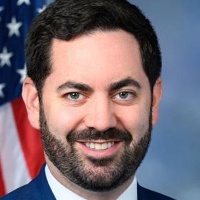
Michael Lawler
Representative
NY-17
The Foreign Service Modernization Act seeks to strengthen U.S. diplomacy by clarifying congressional oversight, expanding recruitment to diverse educational backgrounds, and improving the management and security of overseas missions. The bill mandates better training, ties senior promotions to external experience, and streamlines hiring processes, particularly for veterans. Ultimately, it aims to create a more skilled, representative, and resilient diplomatic workforce prepared for modern global challenges.
Foreign Service Modernization Act: Tech Training, Veteran Fast-Tracks, and a New Diplomatic Reserve Pilot Launching Soon
The Foreign Service Modernization Act is essentially a massive HR and training upgrade for the people representing the U.S. overseas. It moves beyond traditional 'suit and tie' diplomacy to focus on the technical and logistical realities of 2024, like AI, cybersecurity, and supply chain battles. By overhauling the Foreign Service Act of 1980, the bill aims to turn the State Department into a more agile, tech-savvy workforce that looks a bit more like the rest of the country.
New Doors to the Diplomatic Club
For a long time, the path to becoming a diplomat felt like it was reserved for a specific type of Ivy League grad. This bill changes the recruitment playbook. It specifically requires the State Department to start recruiting at community colleges, technical schools, and open-access universities (Title I). If you’re a student at a local two-year college or a veteran transitioning out of the military, there are now dedicated 'pathway' programs and streamlined hiring pilots designed to get you into roles like Diplomatic Security or cybersecurity (Title III). It’s a move to bring 'street smarts' and technical trade skills into the room where foreign policy happens.
The 'Level Up' Requirement
If you’re already in the Service, the bill makes it clear that the days of 'learning on the fly' are over. It mandates that officers complete leadership training before they can manage people and requires annual training in AI and cybersecurity (Title VI). Think of it like a professional certification in the private sector—you can’t move up unless you actually have the skills. There’s also a 'use it or lose it' rule for languages: if the government spends taxpayer money to teach you a difficult language, you’re now required to serve three consecutive assignments using that skill. For the taxpayer, this means less waste; for the diplomat, it means more time actually becoming an expert in a region.
Real-World Safety and Support
This isn't just about office work; it’s about how embassies function in a crisis. The bill creates a 'Diplomatic Reserve Corps' pilot—a group of at least 250 retirees who can be called back to duty during emergencies like natural disasters or embassy evacuations (Title VII). It also fixes some annoying 'fine print' issues for families, like ensuring that moving for an overseas assignment doesn't mess up your state tax residency or trigger extra fees on your car back home. For the people on the ground, Title II also pushes for 'expeditionary diplomacy,' which is a fancy way of saying diplomats need to get out of the embassy walls and actually talk to local people, with a dedicated team tasked to remove the red tape that usually keeps them stuck behind security glass.
The Trade-Offs
While these updates are aimed at making the department more efficient, they do add layers of mandatory 'joint duty'—meaning senior leaders will have to spend a year working in another agency or even a congressional office before they can get promoted (Title V). For a busy professional, this is a significant time commitment that could slow down some career paths. Additionally, while the bill tries to kill 'nepotism' by requiring strict disclosures for anyone hiring board members, the sheer amount of new training and reporting could create a temporary bureaucratic bottleneck as the agency tries to figure out how to pay for and schedule all these new requirements.