This act eliminates the federal mandate for states to operate mandatory vehicle emission inspection and maintenance programs.
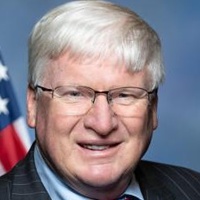
Glenn Grothman
Representative
WI-6
The State Emissions Authority Act of 2026 eliminates federal mandates requiring states to operate mandatory vehicle emission inspection and maintenance programs. This legislation amends the Clean Air Act to remove specific requirements for state air quality plans related to these inspections. Consequently, federal vehicles and facilities are also removed from compliance with state inspection programs.
State Emissions Authority Act of 2026: Federal Mandates for Vehicle Inspections to be Eliminated
The State Emissions Authority Act of 2026 aims to fundamentally change how your car’s exhaust is regulated by deleting the federal requirements for state-run motor vehicle inspection and maintenance programs. Specifically, Section 2 of the bill strikes several key parts of the Clean Air Act, including Section 118(c) and (d), which currently force federal vehicles to follow state rules, and Section 182, which mandates that states in areas with poor air quality (nonattainment areas) run these testing programs. By removing these federal strings, the bill gives states the power to decide whether you need to spend a Saturday morning at an inspection station or pay an annual fee to prove your car isn’t polluting.
The End of the Mandatory Tailpipe Check
For most of us, the immediate impact is at the DMV or the local mechanic. Under current law, if you live in a city with heavy smog, the federal government requires your state to make you get an emissions test. This bill removes those specific mandates, such as the 'enhanced' inspection requirements for serious ozone areas found in Section 182(c)(3). For a tradesperson with a fleet of older work trucks or a commuter driving a twenty-year-old sedan, this could mean an end to the stress of a 'Check Engine' light resulting in a failed inspection and a costly repair bill just to keep the vehicle on the road. It essentially shifts the decision-making from Washington D.C. to your state capital, allowing states to scrap these programs entirely if they choose.
Clearing the Air or Clouding the Future?
While the bill offers a break for your wallet and your schedule, it raises significant questions about the air we breathe. The Clean Air Act provisions being removed, like Section 184(b)(1) for the Northeast, were designed to keep smog in check across state lines. If a state decides to stop inspections, a neighbor’s poorly maintained car could be pumping out significantly more pollutants that drift into your community. For parents of children with asthma or residents in high-traffic urban areas, the removal of these federal baselines could lead to a measurable dip in air quality. The bill doesn't ban inspections, but by removing the federal 'floor,' it creates a patchwork where air quality standards could vary wildly from one state border to the next.
Federal Vehicles Join the Club
Interestingly, the bill doesn't just affect private citizens; it also lets the federal government off the hook. By striking Section 118(c), the bill ensures that federal agencies no longer have to ensure their own vehicles comply with state inspection programs. This means everything from postal trucks to federal fleet vehicles would be exempt from the local emissions rules that currently apply to everyone else. While this reduces the administrative burden and costs for government agencies, it also means the largest employer in the country would no longer be required to lead by example when it comes to maintaining clean-running vehicles in your local neighborhood.