This Act lowers the reporting threshold for foreign gifts to universities and mandates more detailed disclosure, while also directing a GAO study on current compliance with foreign gift reporting requirements.
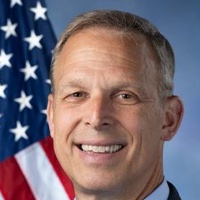
Scott Perry
Representative
PA-10
The Protecting Academic Integrity Act of 2026 aims to increase transparency regarding foreign influence in higher education. This bill significantly lowers the reporting threshold for foreign gifts received by universities from $250,000 to $50,000 and mandates the disclosure of more detailed information about these gifts. Additionally, it directs the GAO to conduct a comprehensive study on institutional compliance with existing foreign gift reporting requirements.
New Transparency Rules Slash Foreign Gift Reporting Threshold for Colleges to $50,000
The Protecting Academic Integrity Act of 2026 is pulling back the curtain on how foreign money flows into American higher education. Currently, colleges and universities only have to tell the Department of Education about foreign gifts or contracts if they hit the $250,000 mark. This bill aggressively lowers that bar to $50,000. It is a major shift in transparency that aims to track smaller, more frequent contributions that might have previously flown under the radar of federal oversight. One year after this becomes law, your local university will have to be much more specific about who is signing the checks and why.
The Paperwork Deep Dive
Under Section 2, it is no longer enough for a school to just report a lump sum. If a foreign government sends a gift, the institution must now identify the specific department or agency responsible for the money. They also have to disclose the 'purpose or intention' of the funds. If a foreign entity sends a check without a clear note attached, the school is required to report exactly which internal account or campus department is getting the cash. For example, if a tech company owned by a foreign government funds a specific AI research lab, the school has to name that lab and explain what the money is for, rather than just filing a generic report. While this gives the public a clearer picture of foreign influence on campus, it also adds a significant administrative load to university compliance offices, who will now be tracking five times as many transactions.
Checking the Homework
Section 3 of the bill brings in the heavy hitters at the Government Accountability Office (GAO) to see if schools are actually playing by the rules. The GAO is tasked with a massive study to figure out who is complying with these reporting laws and, more importantly, why some schools are failing to do so. They will look at whether institutions are making a real effort to fix past mistakes or if the federal government has been asleep at the wheel regarding enforcement. Within a year of the bill’s enactment, the GAO has to hand over a full report to Congress. This move suggests that lawmakers are looking for more than just new rules; they want to know if the current system is broken and how to hold schools accountable for keeping their books open to the public.