This bill reauthorizes funding for the National Police Athletic/Activities League to expand existing chapters and establish new ones in distressed areas to enrich youth through mentorship, education, and positive law enforcement engagement.
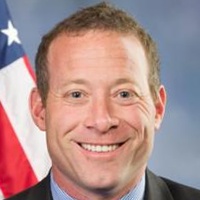
Josh Gottheimer
Representative
NJ-5
This bill reauthorizes funding for the National Police Athletic/Activities League (PAL) through fiscal year 2032. It aims to expand existing PAL chapters and establish 250 new chapters in distressed areas and public housing projects. The funding supports youth enrichment programs focused on academics, leadership, mentorship, and building positive relationships between law enforcement and young people.
National PAL Expansion to Fund 250 New Youth Chapters and Boost Community Policing Through 2032
Think of the hours between 3 p.m. and 8 p.m. For many working parents, that’s the 'danger zone' where school is out but the workday is still in full swing. The National Police Athletic/Activities League (PAL) Youth Enrichment Reauthorization Act aims to fill that gap by putting $16 million a year toward after-school programs from 2028 through 2032. The big goal here is growth: the bill sets a target of having at least 500 chapters running by 2032, which includes seeding 250 brand-new chapters specifically in public housing and 'distressed' areas where at least 40% of the youth are considered high-risk. This isn't just about basketball; it’s a strategic push to use local law enforcement as mentors rather than just patrol officers, focusing on everything from STEM tutoring to drug prevention.
More Than Just a Gym Membership
Under this bill, any PAL chapter getting federal cash has to do more than just open the doors. Section 5 requires them to run at least two distinct programs. One must focus on the 'hard skills' or character building—think academic help, technology training, or organized sports. The second program has to tackle the 'life stuff,' such as conflict resolution, job prep, or health counseling. For a family in a public housing complex, this could mean the difference between a teenager hanging out in a stairwell or learning to code and prep for a job interview. The bill specifically targets 'high-risk youth,' which it defines broadly to include kids who have dropped out of school, are economically disadvantaged, or are victims of abuse, ensuring the resources go to the kids who actually need a lifeline (Sec. 8).
The 'Bootstrap' Challenge for Local Chapters
While the federal government is providing the 'seed money,' there is a catch: it’s not a forever check. To get a grant, National PAL has to submit a plan explaining how these new chapters will keep the lights on once the federal funding dries up (Sec. 4). This means local chapters will eventually need to rely on their usual mix of private donations and local business support. For the community, this is a double-edged sword. It encourages local buy-in and prevents total dependence on D.C., but it also means that if a local chapter in a struggling area can’t find enough private sponsors down the road, those programs could vanish. The bill tries to mitigate this by requiring chapters to recruit volunteers from local businesses and academic circles to keep costs down and community ties high.
Tracking Results and Accountability
With $80 million total on the line over five years, the bill includes some guardrails to make sure the money isn't just disappearing into a bureaucratic black hole. At least 2% of the funds must be set aside for research and evaluation to see if the programs are actually working (Sec. 7). Every year, the Assistant Attorney General has to report to Congress on whether these chapters are actually moving the needle on school dropout rates and juvenile crime. For the average taxpayer, this is the 'receipt'—a way to see if the investment in community policing is actually making neighborhoods safer or if it’s just a feel-good line item. It’s a move toward data-driven policy, ensuring that the 'mentorship' being funded is resulting in real-world diplomas and jobs.