This bill establishes rigorous fitness-to-operate standards for offshore oil and gas operators and mandates fully funded, interest-bearing escrow accounts to cover all future decommissioning liabilities.
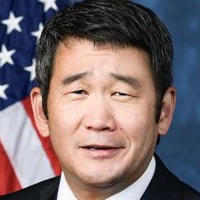
Dave Min
Representative
CA-47
The Offshore Leasing Standards and Accountability Act of 2026 establishes rigorous "fitness-to-operate" standards for offshore oil and gas operators, requiring certification based on environmental compliance, safety records, and financial solvency before issuing or extending leases. The bill also mandates that leaseholders fully fund future decommissioning liabilities through interest-bearing escrow accounts, with required payments scheduled to cover estimated costs within five years. Furthermore, it restricts the temporary abandonment of offshore wells to a maximum of three years, subject to strict operational or environmental justification.
Offshore Oil Bill Demands $30 Million Fitness Test and Full Cleanup Cash Upfront
The Offshore Leasing Standards and Accountability Act of 2026 is essentially a 'background and credit check' for the oil industry. It stops the Department of the Interior from handing out or transferring offshore leases unless a company proves it has the cash, the safety record, and the technical muscle to handle the job. The bill requires a 10-year lookback at a company’s history—including its parent companies and subsidiaries—to ensure they haven't been cutting corners on safety or failing to pay their federal bills. If a company has filed for bankruptcy or lost its investment-grade credit rating in the last decade, they are effectively locked out of the water.
The Cleanup Security Deposit
Think of this like a massive security deposit for an apartment, but for an oil rig. Under Section 3, the bill mandates that every leaseholder must pay into an interest-bearing escrow account that covers 100% of the projected costs to decommission their infrastructure. For new leases, companies have to cough up at least 25% of the estimated cleanup costs before they even start drilling. This is designed to ensure that if a company goes belly-up, the bill for plugging wells and removing platforms doesn't land on the taxpayer. If a company falls 60 days behind on these payments, the government can jack up their royalty rates or shut down their operations until they pay up.
No More Ghost Rigs
One major change involves 'temporary abandonment,' which is when a company stops producing from a well but doesn't fully plug it. Section 4 puts a hard three-year cap on how long a well can sit in this limbo state. To get an extension, a company has to prove that leaving the well open actually helps operational stability or protects the environment—they can't just leave it there to avoid the cost of closing it. This prevents 'ghost rigs' from sitting in the ocean indefinitely, becoming rust-buckets that pose a leak risk to coastal communities and local fishing industries.
Accountability in the Fine Print
While the bill aims to protect the public purse, it gives the Secretary of the Interior significant power to define 'fitness' through new regulations. This means the actual bar for entry might shift depending on who is running the department. For the workers on these rigs, the bill requires companies to prove they have enough staff to maintain safety standards, which could lead to better job security and safer conditions. However, for smaller or mid-sized energy companies, the requirement for an investment-grade credit rating and massive upfront escrow payments might make it nearly impossible to compete with the 'Big Oil' giants who have deeper pockets.