This act establishes a pilot grant program to fund the renovation and development of vital community gathering places, known as "third spaces," especially in underserved areas.
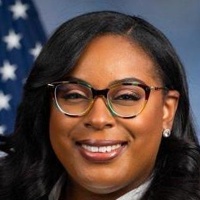
LaMonica McIver
Representative
NJ-10
The RESTORE Third Spaces Act of 2026 establishes a three-year pilot grant program to renovate and develop vital community gathering places, known as "third spaces," outside of homes and workplaces. Administered by the Secretary of Commerce, the program prioritizes projects in underserved communities that strengthen local economies and combat social isolation. Grantees must ensure the resulting spaces remain free or low-cost to the public to foster social cohesion and civic engagement.
New $200 Million Grant Program Aims to Rebuild Community Hubs and Local Hangouts by 2026
The RESTORE Third Spaces Act of 2026 is a plan to put $200 million into the 'third spaces' of our lives—those essential spots that aren't home and aren't work, like the local park, the library, or a community makerspace. The bill sets up a pilot program under the Department of Commerce to fund the renovation and construction of these gathering spots, specifically targeting areas that have seen better days or have been hit hard by disinvestment. It’s a three-year experiment designed to see if fixing up a community center or a public market can actually move the needle on social isolation and local economic growth.
More Than Just a Place to Sit
This legislation isn't just about fresh paint; it’s about social infrastructure. The bill specifically defines a 'third space' as a publicly accessible place supporting social, cultural, and economic life—think community athletic fields, nonprofit incubators, and even schoolyards with shared-use agreements (Sec. 3). For a parent in a crowded apartment, this might mean a safe, renovated playground within walking distance. For a freelance coder or a budding entrepreneur, it could mean a new 'makerspace' or small business incubator that provides the tools and networking they can't get at their kitchen table. By prioritizing projects that 'mitigate social isolation,' the bill is betting that giving people a place to cross paths will rebuild the social trust that’s been fraying lately.
Equity by the Numbers
The bill doesn't leave it to chance who gets the cash. It mandates that at least 60 percent of all grant funds must go to 'underserved communities'—places that meet specific economic distress criteria or have a history of being left behind by urban renewal and gentrification (Sec. 3). If you’re living in a rural town that lost its only community hall or a city neighborhood that’s been sliced up by old highway projects, your local government or nonprofit is at the front of the line. To keep these spaces from becoming exclusive, the bill requires grantees to have a policy keeping the space free or low-cost for the public, though they can charge 'reasonable rent' to businesses operating inside, like a coffee stand in a library lobby.
The Fine Print on Success
Because this is a pilot program, the government is keeping a close eye on the receipts. Grantees have to report back on everything from attendance rates to the number of new businesses popping up nearby. This is where it gets a bit technical: the Secretary of Commerce has to submit a report to Congress within three years of the program’s end, using 'survey-based measures of belonging' to see if the money actually made people feel more connected to their neighbors. While the $200 million price tag is significant, the bill caps federal administrative costs at 5 percent, ensuring the bulk of the money hits the ground in actual neighborhoods rather than getting stuck in a bureaucratic loop in D.C.