This bill prohibits U.S. funding for the United Nations Interim Force in Lebanon (UNIFIL) starting October 1, 2027, and mandates withholding contributions if its mandate is extended past December 31, 2026.
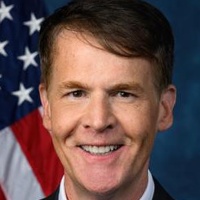
Jefferson Shreve
Representative
IN-6
This bill, the "No U.S. Funding for UNIFIL Act," prohibits the use of U.S. federal funds to support the United Nations Interim Force in Lebanon (UNIFIL) starting October 1, 2027. It aligns U.S. support with the Security Council's decision to end UNIFIL's mandate by December 31, 2026. Furthermore, the legislation requires the U.S. to withhold funds from the UN peacekeeping budget if UNIFIL's mandate is extended past that date.
No U.S. Funding for UNIFIL Act Sets Hard 2027 Cutoff for Lebanon Peacekeeping Dollars
The 'No US Funding for UNIFIL Act' is a straightforward piece of legislation with a very specific target: ending American financial support for the United Nations Interim Force in Lebanon (UNIFIL). Starting October 1, 2027, the bill prohibits any federal agency—from the State Department to the Pentagon—from putting money toward this specific peacekeeping mission or any organization that might take its place (Sec. 3). The bill effectively sets an expiration date on U.S. involvement, aligning with a recent UN resolution that extended the mission's mandate through the end of 2026.
The Financial Hammer
This isn't just a simple 'stop spending' order; it includes a significant enforcement mechanism. If the United Nations decides to keep UNIFIL active past December 31, 2026, the bill requires the U.S. to subtract UNIFIL’s entire annual budget from the general check we write to the UN for all other peacekeeping operations (Sec. 3). For context, if you’re a manager at a construction firm or a tech lead, think of this as a 'line-item veto' on a massive scale. If the UN keeps the project running against our timeline, we don't just stop paying for that project—we dock the cost from the total membership dues we owe the entire organization.
Real-World Ripples
While this might seem like distant foreign policy, it has practical implications for global stability and the U.S. wallet. For the average taxpayer, the benefit is a clear ceiling on spending for a long-standing international commitment. However, the 'successor or subsidiary' language in Section 3 is broad. If a new, smaller group is formed to handle the same border security tasks, the U.S. would be legally barred from helping fund it. This could leave a security vacuum in a volatile region, potentially leading to higher long-term costs if instability there forces more direct U.S. military involvement later on.
Diplomatic and Budgetary Friction
By mandating a dollar-for-dollar withholding from the broader UN peacekeeping budget, the bill could create a financial crunch for other missions worldwide. If you’re a small business owner, you know that when one major client stops paying their share of the overhead, everyone else feels the squeeze. This move could diminish U.S. influence within the UN, as other countries may have to pick up the tab or see their own priority projects lose funding. The bill is clear and low on jargon, but it sets up a high-stakes game of financial chicken between Washington and the United Nations over the future of Middle East peacekeeping.