This bill grants independent music creators limited antitrust immunity to collectively negotiate fair licensing terms with dominant online music platforms and generative AI developers.
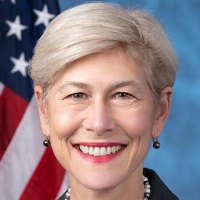
Deborah Ross
Representative
NC-2
The Protect Working Musicians Act of 2026 aims to rebalance power between independent music creators and dominant online platforms. It grants individual music creator owners a limited antitrust exemption to collectively negotiate fair licensing terms for their work. This allows smaller creators to negotiate with large platforms without facing antitrust liability.
New Bill Allows Musicians to Team Up Against Tech Giants: What It Means for Your Favorite Artists and AI
Ever felt like the little guy gets steamrolled by the big corporations? Well, the new Protect Working Musicians Act of 2026 is stepping in to give individual music creators a fighting chance. This bill aims to level the playing field, letting musicians, producers, and sound engineers collectively negotiate licensing terms with the massive online music platforms and even companies building generative AI. Think of it as a legal shield, protecting them from antitrust lawsuits when they band together to get a fair deal or even refuse to license their work under unfair conditions.
The Digital Divide: Why Musicians Need a Boost
Congress found that music, a huge cultural and economic driver, is getting a raw deal in the digital age. Basically, the big online music platforms—we're talking those with over $100 million in music distribution revenue—have all the power. They can push creators into bad licensing agreements because, let's be honest, what's one artist going to do against a tech behemoth? If an artist says no, these platforms often just ignore them, or profit from unlicensed uploads anyway, leaving the artist to play whack-a-mole with copyright infringement notices. This bill, specifically in Section 2, highlights that the current system, often called "notice-and-takedown," is pretty useless for independent creators who just don't have the resources to fight back. It's like trying to bail out a leaky boat with a thimble while the ocean keeps rising.
Team Up, Speak Up: The New Rules
Here’s where the bill gets interesting for individual music creators. Section 3 carves out a “safe harbor” from antitrust laws. This means if you're an individual musician, producer, or sound engineer who owns your copyrights and earned less than $1 million in licensing revenue last year (or qualify as a small business), you can team up with other similar creators. You can collectively negotiate licensing terms with those big online music platforms or with companies developing generative AI without fear of being sued for anti-competitive behavior. You can even collectively refuse to license your music if the terms aren't right. This is a game-changer, giving artists actual leverage instead of just hoping for the best.
The Fine Print: What's Covered and What's Not
Now, this isn't a free-for-all. The bill has some important conditions (Section 3, Limitation of Liability). These collective negotiations can't just be about price; they need to be non-discriminatory towards other similarly situated independent creators. Plus, the coordination has to be directly related and necessary for these negotiations. And here's a key point: these negotiations are strictly for individual music creator owners and the dominant platforms or AI companies—no other parties allowed. The bill is pretty clear that it's not trying to blow up antitrust laws entirely, just making this specific exception. However, that phrase "reasonably necessary for negotiations" could be a bit vague, potentially leading to some legal squabbles down the road about what exactly qualifies.
Who Wins and Who Might Feel the Squeeze?
Clearly, individual music creators are the big winners here. They get a much-needed boost in negotiating power, which could mean fairer pay for their work and more control over how their music is used, especially as AI tools become more prevalent. For you, the listener, this could mean a more vibrant and sustainable music industry, as artists are better compensated and can keep creating. On the flip side, the dominant online music distribution platforms and generative AI companies might find themselves at the negotiating table with a much stronger collective voice than they're used to. It's a shift in power dynamics, and while it aims for fairness, it could definitely change how these tech giants operate and interact with artists. This bill is a significant step toward rebalancing the scales in the digital music world, making sure that the creators behind the tunes get a fair shake. It’s about ensuring that the people who make the music can actually make a living from it, rather than just watching big tech profit. The definition of a “Dominant Online Music Distribution Platform” requiring over $100 million in music distribution revenue is interesting too; it means some smaller, but still influential, platforms might not fall under this new negotiation framework.