This Act grants federal district courts jurisdiction to hear civil actions challenging the cancellation of federal grants when that cancellation is already subject to judicial review under the Administrative Procedure Act.
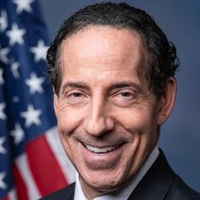
Jamie Raskin
Representative
MD-8
The Federal Funding Protection Act grants U.S. district courts the authority to review and potentially overturn federal agency decisions to cancel grants. This jurisdiction is specifically granted when the grant cancellation is already being challenged through the existing judicial review process under the Administrative Procedure Act.
Federal Funding Protection Act Grants New Legal Rights to Challenge Agency Grant Cancellations Starting Immediately
The Federal Funding Protection Act is a targeted piece of legislation that changes the rules of engagement between the government and anyone receiving federal money. Specifically, it amends 28 U.S.C. § 1346(a) to give U.S. district courts the green light to hear lawsuits against the United States when a federal agency decides to pull the plug on a grant. This isn't just a general 'right to sue'; it’s a specific legal bridge built for cases where a grant cancellation is already being challenged under the Administrative Procedure Act (APA). Essentially, if the government tries to take back promised funding, the recipient now has a clearer path to ask a judge to step in and overturn that decision.
Opening the Courtroom Doors
Think of this like a 'due process' upgrade for your local community center or a university research lab. Under current rules, if a federal agency cancels a grant you were counting on, fighting back in court can feel like navigating a maze without a map. This bill clarifies that district courts have 'original and concurrent jurisdiction' over these specific civil actions. For a small tech startup developing green energy or a non-profit running a rural health clinic, this means that if an agency suddenly cuts their funding for reasons that seem arbitrary or legally shaky, they can take the fight directly to a federal judge. By tying this to the Administrative Procedure Act—the rulebook for how agencies must behave—the bill ensures that the court is looking at whether the agency followed the law or just acted on a whim.
The Cost of Accountability
While this provides a safety net for grant recipients, it also adds a new layer of complexity to how our tax dollars are managed. Federal agencies might become more hesitant to cancel grants, even when a project is failing, simply to avoid the headache and expense of a lawsuit. For you as a taxpayer, this is a double-edged sword. On one hand, it protects the integrity of programs you care about by making sure the government keeps its promises. On the other hand, increased litigation means more government spending on legal fees and potential delays in redirecting funds to better projects. If an agency is tied up in court for two years defending a cancellation, that’s money and staff time not spent on the actual mission of the agency.
Real-World Stakes and Implementation
The bill is relatively straightforward, but the devil is in the procedural details. Because the right to sue is contingent on an existing challenge under the APA, it’s not a 'get out of jail free' card for every disgruntled recipient. It requires a specific legal foundation to be laid first. However, for those who meet the criteria, the impact is immediate. Imagine a local construction firm working on a federally funded infrastructure project; if their grant is yanked mid-stream, this law gives them the standing to walk into a district court and ask for that decision to be reversed. It shifts the power dynamic, moving the final word on funding from the backrooms of a federal agency to a public courtroom.