The SCCOTUS Act establishes a randomly selected panel of 13 circuit judges to review all petitions for writs of certiorari, granting review only when specific criteria for resolving conflicts or settling important federal questions are met.
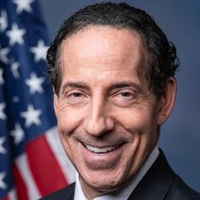
Jamie Raskin
Representative
MD-8
The SCCOTUS Act establishes a new Supreme Court Certification Panel composed of 13 randomly selected circuit judges to review all petitions for writs of certiorari. This panel must grant a petition with four concurring votes based on specific criteria, such as resolving circuit splits or clarifying important federal law. The Act aims to increase transparency by requiring the panel to issue public reports summarizing its certiorari decisions.
New SCCOTUS Act Shifts Supreme Court Gatekeeping to Randomly Selected 13-Judge Panel
Right now, the nine Justices of the Supreme Court decide which cases they want to hear. The SCCOTUS Act flips that script by creating a new 'Supreme Court Certification Panel' to act as the ultimate gatekeeper. This 13-judge panel—one randomly selected from each federal circuit—would be responsible for reviewing every single petition asking the High Court for an appeal. To get a case in front of the Justices, at least four of these panel judges must agree it’s worth their time, and for the first time, they’ll have to write down exactly why they’re picking it. This isn't just a minor tweak; it’s a massive structural shift in how the highest court in the land manages its to-do list.
The New Bouncers at the Door
Under this bill, the Supreme Court Justices lose their direct control over the 'certiorari' process—the fancy term for deciding which cases to hear. Instead, 13 circuit judges (who must have at least five years of experience) will serve one-year terms on this panel. Think of it like a rotating jury of experts. For a small business owner fighting a federal regulation or an employee suing over civil rights, this means your case is first judged by a group of rotating judges rather than the permanent nine. While this adds a layer of transparency through required written explanations (Section 2), it also adds a whole new step to the legal process. If you’re in a hurry for a final answer on a life-changing legal battle, this extra layer could mean more time spent in the 'waiting room' of the federal justice system.
Setting the Bar for 'Compelling Reasons'
The bill outlines specific rules for when the panel can say 'yes.' They’re looking for 'compelling reasons,' like when two different appeals courts have reached opposite conclusions on the same law, or when a case is so important to the public that it can’t wait (Section 2, Certiorari Criteria). For example, if a court in Chicago says a new tax law is legal but a court in New Orleans says it’s not, this panel is tasked with flagging that conflict for the Supreme Court to fix. However, terms like 'imperative public importance' are still pretty subjective. Depending on which 13 judges get picked out of the hat that year, what counts as 'important' might shift, potentially leaving some litigants in the dark if their case is denied without a detailed explanation.
Transparency vs. Red Tape
One of the biggest changes is the requirement for a public report at the end of every term. The panel has to post stats on how many cases they took and why, giving us a data-driven look at the 'shadow docket' that usually happens behind closed doors. But there’s a trade-off. While the panel can grant stays—essentially hitting the 'pause' button on a lower court’s ruling—this power in the hands of a temporary panel could create uncertainty for people affected by those rulings. Whether you’re a coder worried about patent law or a construction worker waiting on a safety ruling, the SCCOTUS Act means the road to a final decision just got a new set of directions and a brand-new set of drivers.