This Act reaffirms U.S. commitment to the Tibetan people's human rights and distinct identity, supports the Central Tibetan Administration, and directs diplomatic efforts to secure its greater recognition in international forums.
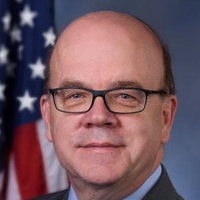
James "Jim" McGovern
Representative
MA-2
The Assuring the Future of Tibet Act of 2026 reaffirms long-standing U.S. policy supporting the human rights and distinct identity of the Tibetan people. It declares that the Central Tibetan Administration is the legitimate representative of the Tibetan people and supports dialogue for a negotiated resolution to the Tibet-China dispute. The bill mandates increased high-level U.S. diplomatic engagement with the Central Tibetan Administration and directs advocacy for its observer status in the United Nations.
U.S. to Push for UN Recognition of Tibetan Government and High-Level Diplomatic Status by 2026
The 'Assuring the Future of Tibet Act of 2026' is a significant pivot in how the U.S. treats the Tibetan government-in-exile. Instead of just offering moral support, this bill moves toward formalizing the relationship with the Central Tibetan Administration (CTA). It specifically targets China’s recent 'Ethnic Unity' laws which mandate Mandarin-only education and prioritize national identity over local culture. The bill sets a clear U.S. policy: the CTA is the legitimate representative of the Tibetan people, and the Gaden Phodrang Trust is the only body allowed to pick the next Dalai Lama—cutting out any attempts by outside governments to install their own successor.
Moving to the Big Table
Section 5 of the bill puts the U.S. Ambassador to the UN on the clock. The goal is to secure 'observer status' for the CTA in the UN General Assembly. For a regular person, think of this like a startup finally getting a seat at a major industry conference instead of just watching from the lobby. It gives Tibetan leaders a microphone on the world stage to discuss health, education, and human rights directly. The Secretary of State is also tasked with 'rallying like-minded partners,' which means the U.S. will be leaning on allies to treat the Tibetan leadership as a formal political entity rather than just a cultural group.
Red Carpet Treatment
Section 6 changes the vibe of diplomatic meetings. It directs the Secretary of State to engage with the 'Sikyong' (the elected head of the Tibetan government) at the highest levels. More importantly, it calls for 'diplomatic courtesies'—including U.S. security details—usually reserved for heads of state. If you’re a local business owner or a resident in a city where these leaders visit, you might notice the change in the form of official motorcades and heightened security protocols. The bill even explores giving these officials 'diplomatic immunity,' which would legally protect them while they are on U.S. soil, similar to how foreign ministers from other countries are treated.
Accountability and the Long Game
Because this bill has a 'Medium' level of vagueness regarding what 'appropriate diplomatic courtesies' actually entails, much of the impact depends on how the State Department chooses to play it. To keep things on track, Section 7 requires an annual report to Congress detailing exactly what progress has been made. This isn't just a one-off statement; it’s a recurring requirement to prove the U.S. is actually moving the needle on Tibetan recognition. While this strengthens the hand of Tibetan advocates, it clearly puts the U.S. on a more direct diplomatic collision course with the Chinese government, which is cited in the bill as having broken legal promises regarding Tibetan autonomy.