The SCALE Biology Act establishes a comprehensive biometrology laboratory program at NIST to develop standards and measurement science for engineering biology and biomanufacturing.
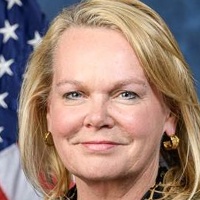
April McClain Delaney
Representative
MD-6
The SCALE Biology Act establishes a comprehensive biometrology laboratory program at the National Institute of Standards and Technology (NIST). This program directs NIST to conduct research and develop technical standards for engineering biology, biomanufacturing, and biotechnology. The goal is to enhance innovation, improve data reliability, and support the safe and secure development of biological technologies. The Act also authorizes specific funding levels for this new NIST research duty through fiscal year 2030.
SCALE Biology Act Authorizes $348 Million to Standardize U.S. Biotech and Biomanufacturing Through 2030
The SCALE Biology Act is essentially a massive upgrade for the 'ruler' we use to measure life itself. It establishes a dedicated biometrology laboratory program at the National Institute of Standards and Technology (NIST) to create the first real set of universal 'best practices' and technical standards for engineering biology. Think of it like the early days of the internet or the railroad; before things could really take off, everyone had to agree on the size of the tracks and the language the computers would speak. This bill puts NIST in charge of making sure biological data—like how DNA translates into cell functions—is accurate, reliable, and speaks the same language across different labs and companies. Starting in 2026 with an initial $55 million, the bill scales up funding annually to reach $85 million by 2030, totaling a $348 million investment in the infrastructure of the future bioeconomy.
The Blueprint for Living Factories
One of the most practical parts of this bill is the creation of 'Engineering Biology Foundries.' If you work in manufacturing or tech, you know that scaling a prototype to a full production line is where most ideas go to die. These foundries, established under Section 2, are designed to make living measurement systems more predictable and scalable. For a startup founder trying to brew carbon-neutral jet fuel or a medical researcher developing a new type of insulin, this means having access to high-end NIST equipment and 'roadmaps' that show exactly how to measure molecular components. It moves biotechnology from a series of expensive 'lucky breaks' in a lab to a routine industrial process that can happen in factories across the country.
From Lab Bench to Kitchen Table
While 'biometrology' sounds like a word designed to end a conversation at a party, its real-world impact hits close to home. By standardizing how we measure and manufacture biological products, the bill aims to lower the cost and increase the safety of everything from lab-grown medicines to sustainable fertilizers. For a small business owner in the agricultural sector, this could mean more reliable bio-based products that actually do what the label says because they were built using NIST-approved methodologies. The bill also tasks the NIST Director with creating a public 'lexicon'—a dictionary of bioeconomy terms—so that when a company says a product is 'biosafely manufactured,' there is a legal, standardized definition behind it, preventing the kind of 'wild west' labeling we often see in new industries.
Security and Standards in a High-Stakes Game
Because dealing with DNA and biological systems involves serious risks, the bill isn't just about growth; it’s about guardrails. Section 3 updates federal law with crystal-clear definitions for 'biosecurity' and 'biorisk,' ensuring that as we innovate, we are also building the containment and security measures to prevent the misuse of biological materials. The bill requires NIST to coordinate with national security agencies to identify where new governance is needed. While the $348 million price tag is significant, the goal is to ensure the U.S. doesn't just lead in biotech discovery, but also owns the 'operating system' and safety standards that the rest of the world will eventually have to follow.