This Act establishes a grant program to increase the number of school-based mental health providers in high-need elementary and secondary schools to improve student access to essential services.
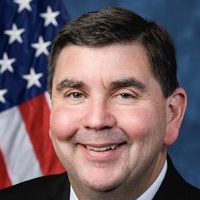
John Mannion
Representative
NY-22
The Elementary and Secondary School Counseling Act establishes a federal grant program to increase the number of school-based mental health providers in high-need schools. This funding flows from the Department of Education to states, which then award competitive subgrants to local educational agencies. The goal is to help schools work toward recommended student-to-provider ratios for counselors, psychologists, and social workers. Funds must supplement existing resources and require state matching to support recruitment and retention efforts.
Elementary and Secondary School Counseling Act Proposes $5 Billion to Slash Student-to-Counselor Ratios by 2027.
The Elementary and Secondary School Counseling Act is a massive push to put more mental health professionals directly into schools. Starting with a $5 billion authorization for 2027, the bill aims to fix a glaring math problem in our education system: too many students and not enough help. It targets 'high-need' schools—those with high concentrations of low-income families—to ensure that kids who are statistically most at risk for anxiety, depression, and dropping out get professional support where they spend most of their day. By setting specific student-to-provider targets, the bill moves away from vague promises and toward a concrete staffing model that treats mental health as a core part of the school day rather than an optional extra.
The Math of Mental Health
The bill doesn’t just throw money at the wall; it sets a strict 'gold standard' for staffing that every parent can understand. Section 4 outlines the goal: one counselor for every 250 students, one social worker for every 250 students, and one psychologist for every 500 students. For a typical office worker or tradesperson whose kid is in a school where one counselor handles 500 or 600 students, this change would be night and day. It means shorter wait times for a student in crisis and more proactive check-ins for kids who are struggling but haven't hit a breaking point yet. To get this done, the federal government will send money to states based on their existing Title I funding, which essentially follows the poverty line to ensure the help goes where it's needed most.
Skin in the Game for States
This isn't a free ride for state governments. To tap into these federal billions, states have to pony up a 20 percent match in funding. This ensures that local governments are committed to the long-term goal of keeping these professionals on the payroll. For a small business owner or a taxpayer, this means your state tax dollars will be working alongside federal funds to hire licensed providers or contract with local community mental health centers. The bill also includes a 'supplement, not supplant' rule. This is a crucial guardrail that prevents school districts from using this new federal cash to pay for counselors they already have and then shifting their old budget money elsewhere. Every dollar from this bill has to be an extra investment in student mental health.
Accountability and Real-World Results
To make sure the money actually reaches the classroom, the bill mandates a paper trail. Every school district receiving a subgrant has to report back annually with their actual student-to-provider ratios. If a school says they are hiring more help, they have to prove it with numbers. These reports eventually land on the desks of Congress and get posted publicly on the Department of Education’s website. While the administrative lift might be a bit heavy for smaller districts, the trade-off is a level of transparency that lets parents see exactly how many professionals are available to help their children. By focusing on recruitment and retention, the bill acknowledges that finding these professionals is just as hard as paying them, giving schools the flexibility to either hire staff directly or partner with outside clinics to get boots on the ground.