This bill removes Venezuela from the list of countries where the Development Finance Corporation is prohibited from investing.
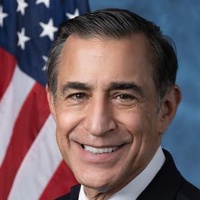
Darrell Issa
Representative
CA-48
This bill amends the BUILD Act of 2018 to remove Venezuela from the list of countries where the Development Finance Corporation (DFC) is prohibited from investing. By striking Venezuela from the list of "countries of concern," the legislation explicitly authorizes the DFC to make investments in the nation. This change removes existing legal restrictions on DFC investment in Venezuela.
New Bill Greenlights U.S. Investment in Venezuela: What It Means for the DFC and Taxpayers
Alright, let's cut through the noise on this one. There's a new bill on the table that's looking to shake up where the U.S. government can put its money, specifically through the Development Finance Corporation (DFC). Essentially, this legislation, found in Section 1, aims to remove Venezuela from the list of countries where the DFC is currently barred from investing. This isn't just a small tweak; it means the DFC would be authorized to invest there, even if other laws might typically put the brakes on such moves.
Opening the Venezuelan Investment Floodgates
So, what's actually happening here? Right now, the DFC, which is basically Uncle Sam's development bank, has a list of 'countries of concern' where it can't operate. Venezuela is on that list. This bill strikes Venezuela right off it, reordering the rest of the countries. Think of it like a bouncer at a club suddenly letting someone in who was previously on the 'no-entry' list. The big takeaway is that this isn't just about allowing investment, but doing so with a provision that says, and I quote, "even if other laws would otherwise restrict such investment." That's a pretty broad stroke, potentially overriding other safeguards.
Who's Feeling the Change and How?
For the DFC itself, this bill is like getting a new playground to explore. They'll have the green light to pursue projects and investments in Venezuela, which could range from infrastructure to small business development. On the flip side, for you and me, the taxpayers, this is where things get a bit more interesting. The DFC uses U.S. funds, and investing in a country with a history of political and economic instability, like Venezuela, inherently carries more risk. If these investments don't pan out, it's our money on the line. It's like putting a chunk of your retirement savings into a high-risk, high-reward stock – the potential for growth is there, but so is the potential for a significant loss. The bill doesn't specify what kinds of investments are now on the table, which leaves a lot of room for interpretation and, potentially, some risky plays.
The 'Other Laws' Loophole
Now, let's talk about that line: "even if other laws would otherwise restrict such investment." This is a pretty significant detail, folks. It means that existing legal frameworks that might have been put in place to protect U.S. interests or uphold certain standards in foreign investment could potentially be bypassed for Venezuela. Imagine if your city had specific rules about where new businesses could open, but then a new ordinance came along saying, "Actually, for this one specific type of business, those rules don't apply." It raises questions about oversight and accountability. While it could streamline investment, it also means less scrutiny, and that's something worth keeping an eye on, especially when dealing with a complex political landscape like Venezuela's.