This bill eliminates the Social Security and Medicare tax exemption for F1 visa holders working under Optional Practical Training (OPT).
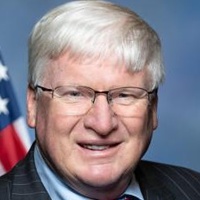
Glenn Grothman
Representative
WI-6
The OPT Fair Tax Act proposes to eliminate the current payroll tax exemption for F-1 visa holders working under Optional Practical Training (OPT). This change will require OPT participants to pay Social Security and Medicare taxes on their earnings, treating their employment income the same as other forms of employment.
OPT Fair Tax Act Ends Payroll Tax Exemptions for F1 Visa Holders, Requiring Social Security and Medicare Contributions
The OPT Fair Tax Act changes the financial math for international students working in the United States. Specifically, it amends the Internal Revenue Code and the Social Security Act to eliminate the current payroll tax exemption for F1 visa holders participating in Optional Practical Training (OPT). Under the current rules, these individuals don't pay Social Security or Medicare taxes on their earnings; this bill ends that carve-out, making their income subject to the same Federal Insurance Contribution Act (FICA) taxes as everyone else in the workforce. The change is set to kick in for services performed in the first calendar month following the bill’s enactment.
The Paycheck Pivot
For a recent international graduate working as a software developer or a lab technician on an OPT permit, this bill hits the wallet immediately. Right now, if an OPT worker earns $5,000 a month, they keep a larger chunk of that than their American colleagues because that 6.2% for Social Security and 1.45% for Medicare isn't touched. Section 2 of the bill removes this advantage. For someone balancing high rent in a tech hub or trying to pay back international student loans, that roughly 7.65% reduction in take-home pay is a significant shift in their monthly budget. It effectively levels the playing field between international graduates and domestic workers, but it does so by increasing the cost of living for those on temporary work permits.
Leveling the Playing Field or Adding a Burden?
The primary shift here is about who contributes to the national safety net. By amending Section 3121(b)(19) of the Internal Revenue Code, the bill ensures that every dollar earned under OPT helps fund the Social Security and Medicare trust funds. From a policy perspective, this adds a new stream of revenue to these programs and removes what some might see as a 'discount' for hiring international talent over domestic graduates. However, the implementation is blunt; there is no grandfather clause mentioned in the text. This means if the bill passes on the 20th of a month, an OPT worker could see their very next paycheck shrink without much time to adjust their financial planning.
Real-World Math for the Modern Office
Consider a small startup that employs three local graduates and one international graduate on OPT. Currently, the employer and the OPT student both save on those payroll taxes. Once this bill becomes law, both the employee and the employer will be responsible for their respective halves of the FICA tax. For the employer, this increases the overhead cost of that specific hire by 7.65%. For the worker, it’s a direct pay cut. While the bill brings more uniformity to the tax code, it removes a long-standing financial incentive for international students to remain in the U.S. workforce immediately after graduation, potentially altering the career calculus for thousands of skilled workers currently filling roles in specialized industries.