The REPORTS Act mandates that federal agencies analyze the impact of major rules on poverty and racial inequity, and requires the GAO to report on the effects of key federal programs on these same issues.
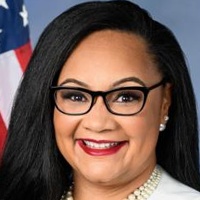
Nikema Williams
Representative
GA-5
The REPORTS Act mandates that federal agencies analyze the potential impact of proposed major rules on individuals living in poverty and on racial inequity. It also requires the Government Accountability Office (GAO) to periodically report on the effects of specific federal programs on these same populations. This legislation aims to ensure a thorough review of how federal actions affect vulnerable communities.
REPORTS Act Mandates Impact Studies on Poverty and Racial Equity for Major Federal Regulations
The REPORTS Act introduces a new layer of accountability for federal agencies by requiring them to look under the hood of their most significant decisions. Specifically, when an agency proposes a 'major rule'—those big-ticket regulations that typically have a massive economic impact—it must now include a detailed analysis of how that rule affects people living at or near the poverty line, as well as its impact on racial inequity. This isn't just a one-time thing; the bill also tasks the Government Accountability Office (GAO) with a ten-year mission to review existing federal programs. Starting within a year of enactment, the GAO will release annual reports examining two to five programs that have moved the needle economically over the last five fiscal years, checking if they’ve helped or hindered those in lower income brackets or contributed to racial disparities.
Mapping the Economic Footprint
Think of this like a mandatory 'impact statement' for the economy's most vulnerable players. For a single parent working two jobs or a family in a historically underserved neighborhood, federal rules on everything from housing subsidies to transportation infrastructure can change their daily costs or job opportunities. Section 2 of the bill ensures that before a major rule goes live, the public sees a breakdown of its potential effects on poverty. It also gives the head of an agency or the Comptroller General the green light to analyze the 'racial wealth gap' if they think it’s relevant. By putting these numbers in the Federal Register, the bill aims to make the invisible consequences of bureaucracy visible to the people living them.
Defining the Terms of Engagement
While the bill sets a clear mandate, it leaves some of the heavy lifting to the experts. The definitions for 'poverty line,' 'racial inequity,' and 'racial wealth gap' aren't set in stone within the text; instead, the Director of the Office of Management and Budget (OMB) and the Comptroller General get to decide what those terms mean in practice. This provides flexibility to adapt to modern economic data, but it also means the depth of these reports depends on how these officials define their metrics. For a small business owner in an enterprise zone or a contractor navigating federal rules, the clarity of these definitions will determine whether the resulting reports are truly useful tools for transparency or just more paperwork in the digital archives.
A Long-Term Look Back
The GAO’s role here is essentially a decade-long audit of government performance. By looking back at programs with 'substantial economic impact' from the previous five years, the reports will highlight which policies actually worked for the working class and which ones missed the mark. For example, if a major federal grant program for urban development was supposed to create jobs but ended up widening the wealth gap, these annual reports are designed to flag that. It’s a move toward data-driven governing that treats federal programs like any other investment: if it’s not helping the people it’s supposed to, the public deserves to see the receipts.