The Our Doctors First Act of 2026 prohibits the use of Medicare funds for graduate medical education costs associated with residents who are not U.S. citizens or nationals, imposing escalating penalties for noncompliance.
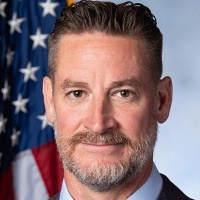
W. Steube
Representative
FL-17
The Our Doctors First Act of 2026 prohibits the use of Medicare funds for graduate medical education costs associated with residents who are not U.S. citizens or nationals. This restriction applies to payments for both direct and indirect medical education expenses for hospitals and nonhospital providers. The bill establishes escalating civil monetary penalties and potential exclusion from future Medicare payments for entities that violate this new citizenship requirement.
Our Doctors First Act Restricts Medicare Residency Funding to U.S. Citizens Starting in 2027
The 'Our Doctors First Act of 2026' introduces a major shift in how the U.S. government pays for medical training. Starting one year after it becomes law, this bill prohibits Medicare from covering the costs of graduate medical education for any resident who isn't a U.S. citizen or national. This isn't just a small budget tweak; it targets the three main ways hospitals get paid for teaching—direct costs like resident salaries, indirect costs for the extra overhead of being a teaching hospital, and payments to non-hospital clinics. If a hospital counts a non-citizen resident on their cost reports, they face steep fines starting at 25 percent of the payment, jumping to $1 million for a second offense, and eventually getting banned from receiving any residency funding for five to ten years.
The Residency Pipeline Shift
For decades, hospitals have used Medicare funds to help train doctors regardless of their passport status, but this bill draws a hard line at the border. By amending Section 1886 of the Social Security Act, the legislation ensures that federal tax dollars only subsidize the training of U.S. citizens and nationals. For a medical student who is a U.S. citizen, this might mean less competition for coveted residency slots. However, for a hospital administrator in a busy city or a rural clinic that relies on international medical graduates to fill gaps in care, this creates a massive financial and logistical hurdle. They’ll have to decide whether to stop training non-citizens entirely or find a way to foot the bill without any federal help.
Impact on Local Care and Wait Times
You might feel this most when you're trying to book an appointment. Many international residents work in underserved areas or specialized fields where there’s a shortage of American-born doctors. If a local teaching hospital loses funding for a portion of its staff, it might be forced to downsize its residency program. For a patient, fewer residents often translates to longer wait times in the ER or months-long delays to see a specialist. Because the bill includes such heavy penalties—like the $1,000,000 fine for a second mistake—hospitals will likely become extremely cautious, potentially leading to an administrative bottleneck as they verify the citizenship status of every single applicant.
High Stakes for Hospitals
The enforcement mechanism in this bill is particularly aggressive. By linking violations to Section 1128A of the Social Security Act, the government treats an incorrect residency count with the same gravity as healthcare fraud. A hospital that makes a third mistake doesn't just lose the funding for that one resident; they are excluded from receiving any direct or indirect medical education payments for five years. For many teaching hospitals, these payments are a cornerstone of their operating budget. Losing that revenue could mean cutting services elsewhere, affecting everything from community outreach programs to the availability of specialized equipment.