The CHIERS Act of 2026 establishes grants to fund free transportation services connecting individuals with substance use disorders to necessary treatment and supportive services.
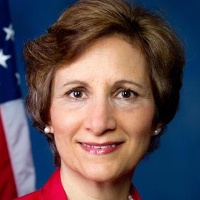
Suzanne Bonamici
Representative
OR-1
The CHIERS Act of 2026 establishes grants to fund free transportation services for individuals with substance use disorders to access treatment and supportive services. These grants will cover the entire trip, including connecting to public transit, for eligible individuals facing barriers to care. The goal is to reduce missed or cancelled appointments by ensuring reliable transit to necessary health resources.
CHIERS Act of 2026 Authorizes Free On-Demand Rides to Substance Use Treatment and Supportive Services
Missing a doctor’s appointment is a headache for anyone, but when that appointment is for substance use treatment, a missed ride can mean a total relapse. The CHIERS Act of 2026 aims to bridge that gap by directing the Secretaries of HHS and HUD to hand out grants for free transportation specifically for people struggling with addiction. Starting within one year of the bill’s passage, these grants will pay for everything from bus passes and rideshares to actually buying vehicles for service providers. The goal is to solve the 'first and last mile' problem—making sure someone can get from their front door (or a street corner) all the way to the clinic and back again without the cost or lack of a car getting in the way.
More Than Just a Bus Pass
This isn't just about handing out tokens for the subway. Under Section 2, the bill allows organizations to get creative with how they move people. Grant funds can be used to hire and train staff, help personnel get specialized driving licenses, and even pay for on-demand services like Uber or Lyft. Imagine a person in a rural area who finally decides to seek help but lives ten miles from the nearest bus stop; this bill allows a local nonprofit to send a dedicated vehicle directly to them. It also covers 'street outreach,' meaning teams can go out, find people who need help, and offer them a ride to a safe location or treatment center right then and there.
Who Gets a Seat?
The bill specifically targets those who are most likely to fall through the cracks. To get a free ride, a 'covered individual' must have a substance use disorder and meet one of three criteria: they are experiencing homelessness, live in a low-income neighborhood, or live in an area where the government decides transportation is a major barrier to healthcare. This could be a game-changer for someone working a minimum-wage job who can’t afford to fix their car or a person living in a shelter who has no way to get to a counseling session across town. By focusing on these specific groups, the bill tries to ensure the money goes where the need is highest.
The Fine Print and Potential Potholes
While the bill is focused on help, it draws a hard line at enforcement: Section 2 explicitly forbids using this money to transport someone to involuntary treatment or involving the police in the process. However, there are a few areas where the language gets a bit fuzzy. The bill gives the Secretaries broad power to approve 'other activities' they deem appropriate and to decide which communities count as having 'transportation barriers.' This means the effectiveness of the program might depend heavily on who is running the agencies at the time. Additionally, because the grants are only guaranteed for one year at a time, local nonprofits might find it tough to maintain a steady fleet of vehicles if the funding fluctuates year to year.