This bill restricts religious worker visas (R visas) for individuals holding specific high-ranking Islamic religious leadership titles.
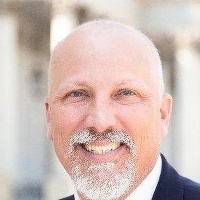
Chip Roy
Representative
TX-21
The Inhibiting Militant Adversarial Mullahs Act amends immigration law to prohibit individuals holding specific high-ranking religious leadership titles, such as Imam, Mufti, or Ayatollah, from obtaining religious worker (R) visas. This legislation specifically targets leaders within certain religious denominations for visa ineligibility.
New Visa Restrictions Target Specific Religious Titles: Imams and Ayatollahs Barred from R-1 Entry
The Inhibiting Militant Adversarial Mullahs Act proposes a direct change to the Immigration and Nationality Act by creating a specific 'blacklist' of religious titles for the R-1 visa program. Under Section 2 of the bill, individuals who hold the titles of Imam, Grand Imam, Shaykha, Mufti, Grand Mufti, Ayatollah, or Grand Ayatollah would be legally barred from being admitted to the United States under this visa category. Currently, the R-1 visa allows religious workers to live and work in the U.S. temporarily for recognized non-profit religious organizations; this bill would effectively shut that door for anyone carrying these specific designations, regardless of their individual background or the specific community they intend to serve.
Breaking Down the Barrier
This isn't just a tweak to the vetting process; it is a hard stop based on nomenclature. In the real world, this means a local mosque that has spent months searching for a specific scholar or a Shaykha to lead women’s educational programs would find their application dead on arrival if the applicant uses one of the titles listed in the bill. Because the bill targets the titles themselves rather than specific behaviors or security threats, it creates a rigid filter. For a community center in a city like Dearborn or Brooklyn, this could mean a sudden inability to fill leadership roles with qualified international candidates who have spent years earning these specific religious credentials.
The Impact on Religious Communities
By singling out these specific titles, the legislation shifts the focus of immigration law from 'what you have done' to 'what you are called.' For an average American who belongs to a denomination that uses these titles, the practical result is a shrinking pool of available religious leadership. If a small community needs a Mufti to provide specialized guidance on religious law or a Grand Imam to lead a large congregation, they would be unable to sponsor that person for entry. This creates a unique hurdle for one specific faith group that isn't faced by others using different terminology for their clergy, like 'priest' or 'rabbi.'
Implementation and Interpretation Hurdles
While the bill lists specific titles, it leaves a bit of a gray area regarding how the government will handle variations or translations of these roles. Section 2 is very specific about the names of the titles, but it doesn't account for how religious leaders might rebrand their roles to bypass the restriction, or conversely, how immigration officers might interpret similar-sounding titles. This vagueness could lead to a 'bottleneck' at the border where legitimate religious workers are caught in administrative limbo while officials try to determine if their specific role counts as one of the prohibited titles. For the busy person just trying to ensure their place of worship has the leadership it needs, this bill introduces a layer of legal complexity and uncertainty that could make religious staffing a much more difficult—and expensive—process.