This bill authorizes a TSA pilot program to expedite security screening for families traveling with children aged twelve and under at select airports.
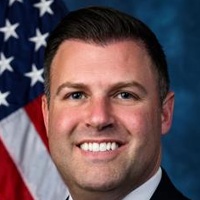
Ryan Mackenzie
Representative
PA-7
The Improving Travel for American Families Act authorizes a two-year TSA pilot program designed to expedite security screening for families traveling with children aged twelve and under. The program prioritizes high-traffic airports with the necessary infrastructure to improve efficiency while maintaining rigorous security standards.
| Party | Total Votes | Yes | No | Did Not Vote |
|---|---|---|---|---|
Democrat | 212 | 201 | 2 | 9 |
Republican | 218 | 197 | 10 | 11 |
TSA Pilot Program Aims to Fast-Track Families with Kids Under 12 Through Airport Security
The Improving Travel for American Families Act authorizes the TSA to launch a two-year pilot program designed to get adults traveling with children aged 12 and under through security checkpoints faster. Under this bill, the TSA Administrator can set up dedicated or expedited lanes specifically for families, provided these changes don't weaken overall security protocols. To keep things moving, the bill requires that every passenger’s eligibility be verified through the Secure Flight program, and it strictly prohibits anyone from entering these expedited lanes unless their boarding pass specifically clears them for it (Section 2).
The Logistics of the Family Lane
This isn't just about opening a new line; it’s about where and how the TSA deploys its people. The bill gives local TSA management the green light to open or close lanes and move staff around based on how many people are actually standing in the terminal at any given moment. For a parent trying to collapse a stroller while holding a toddler and a bag of snacks, this could mean a dedicated space where the pace is a bit more manageable. However, the bill also includes a 'no compromise' clause, meaning the TSA has to ensure that shifting officers to the family lane doesn't leave the standard or PreCheck lines understaffed or less secure.
Picking the Winners
Not every airport will see these changes immediately. The TSA Administrator is tasked with picking pilot locations based on specific criteria: airports that see a high volume of families and those that actually have the physical square footage to accommodate larger or additional screening lanes (Section 2). If you’re flying out of a massive hub like Orlando or Anaheim, you’re more likely to see this in action than at a small regional strip. The bill also gives the Administrator broad authority to use 'any other considerations' they deem necessary when picking sites, which is a bit of a wildcard in how the program rolls out geographically.
Accountability and the Two-Year Clock
This isn't a permanent change to federal law yet. The pilot is strictly limited to a two-year run to see if the theory holds up in practice. Within 270 days of starting, the TSA has to head to the Capitol to brief several House and Senate committees on how it’s going. They’ll be looking at whether this actually made travel smoother for parents or if it just created new bottlenecks elsewhere. For the average traveler, the success of this bill depends entirely on whether the TSA can balance the 'expedited' part of the promise with the 'adequate staffing' requirement for everyone else.