The SMART Community Policing Act expands funding for programs that pair law enforcement with mental health professionals to de-escalate crises and connect individuals in need with appropriate care and resources.
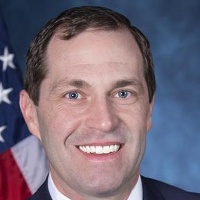
Jason Crow
Representative
CO-6
The SMART Community Policing Act aims to improve interactions between law enforcement and individuals in crisis by strengthening de-escalation efforts and connecting people to necessary care. This legislation expands the authorized uses of COPS grant funds to establish or expand Mobile Crisis Teams, Co-responder Programs, and Case Management and Outreach Teams. These programs focus on pairing mental health professionals with law enforcement to provide appropriate treatment and support services during mental health, substance use, or homelessness-related crises.
SMART Community Policing Act Expands 911 Response: New Funds for Mental Health Teams and Co-Responders
The SMART Community Policing Act is designed to change who shows up when someone calls 911 in a crisis. By amending the Omnibus Crime Control and Safe Streets Act, this bill opens up federal COPS grant funding for three specific types of programs: mobile crisis teams, co-responder units, and long-term outreach teams. Instead of a standard police-only response for every situation, this legislation pushes for a model where mental health professionals and paramedics take the lead or work side-by-side with officers to handle calls involving mental health, substance use, or homelessness.
A Different Kind of First Responder
Under Section 3, the bill authorizes funding for Mobile Crisis Teams—units made up of mental health pros and paramedics who can respond to 911 calls independently or at the request of police. Imagine a situation where a person is having a severe panic attack or a mental health breakdown in a public park; instead of a badge and a gun being the first thing they see, they’d meet a clinician trained to stabilize the situation and secure follow-up care. The bill also funds Co-responder Programs, which pair a police officer with a behavioral health clinician. This is for those 'middle-ground' calls where safety is a concern, but the primary need is medical or psychological expertise rather than an arrest.
Beyond the Initial Crisis
One of the most practical shifts in this bill is the focus on what happens after the sirens stop. The legislation allows funds to be used for Case Management and Outreach Teams. These teams are tasked with following up with people who frequently use emergency services to help them stick to treatment plans or manage daily responsibilities like work and school. For a local business owner who sees the same person in distress outside their shop every week, or a family member struggling to help a relative stay on their meds, these teams are meant to break the 'revolving door' cycle of repeat police interactions by addressing the root causes of the crisis.
Navigating the Gray Areas
While the bill is clear about its goals, there is some 'Medium' level vagueness in how it will roll out. For instance, the text mentions responding to 'certain 911 calls' but doesn't strictly define which ones qualify, leaving a lot of discretion to local departments. There’s also the challenge of staffing; hiring enough skilled clinicians to fill these mobile units is a tall order in the current healthcare market. However, by training officers to partner with these professionals, the bill aims to reduce the burden on traditional law enforcement, allowing them to focus on crime while specialists handle the complex social and medical issues that have historically fallen into the laps of the police.