This bill mandates the Small Business Administration to submit annual reports to Congress detailing its use, benefits, and risks associated with artificial intelligence and machine learning technologies.
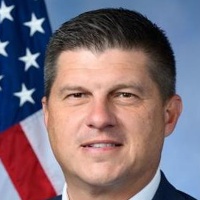
Brad Finstad
Representative
MN-1
The SBA Artificial Intelligence Utilization Act of 2026 mandates that the Small Business Administrator submit annual reports to Congress detailing the agency's use of artificial intelligence (AI) and machine learning (ML). These reports must outline the benefits, risks, and management strategies for these technologies, ensuring human oversight in critical decisions. Additionally, the Administrator must provide an in-person briefing to relevant committees following each report submission.
SBA Artificial Intelligence Utilization Act Mandates Annual AI Risk and Benefit Audits Starting in 2026
The Small Business Administration (SBA) is about to get a lot more transparent about its digital brain. The SBA Artificial Intelligence Utilization Act of 2026 requires the agency to pull back the curtain on how it uses artificial intelligence (AI) and machine learning (ML) to handle everything from loan processing to customer service. Within 90 days of this bill becoming law, and every year after, the SBA Administrator must hand over a detailed report to Congress explaining exactly where these algorithms are running and what they’re actually doing for—or to—small business owners.
The Algorithm Audit
Under Section 2 of the bill, the SBA can't just plug in a new AI tool and hope for the best. They have to specifically detail the benefits and the risks, including anything that might mess with the agency’s day-to-day operations. For a local shop owner waiting on a loan approval, this means the SBA has to figure out if an AI is actually making the process faster or if it’s creating a bottleneck. The bill specifically asks the SBA to prove that a tool actually fills a real need and is worth the taxpayer's dime before it gets adopted. It’s essentially a 'show your work' requirement for the agency’s tech department.
Keeping the Human in the Loop
One of the most critical parts of this legislation is the requirement for human oversight. The SBA must explain how it keeps actual people involved in 'important decisions,' even when an AI is whispering recommendations in their ear. This is a big deal for anyone who has ever been stuck in an automated phone tree or rejected by an algorithm without knowing why. By requiring the Administrator to identify which tasks AI can and cannot perform reliably, the bill aims to prevent 'autopilot' government. If you’re a contractor or a startup founder, this is designed to ensure that a human being—not just a line of code—is ultimately responsible for the decisions that affect your livelihood.
Accountability Beyond the Paperwork
This isn't just a report that will sit on a shelf gathering dust. The bill mandates that the SBA Administrator show up in person for a briefing with the House and Senate Small Business committees within 30 days of submitting each report. This face-to-face requirement is a built-in reality check, allowing lawmakers to grill the agency on the specifics of their AI strategy. While the bill uses technical definitions for AI and ML from the 2021 Defense Act, the goal is straightforward: making sure the technology used to manage small business resources is effective, safe, and actually necessary.