This bill mandates recurring triennial reports on the security impacts and capabilities of jurisdictions that have lost eligibility for Urban Area Security Initiative (UASI) funding.
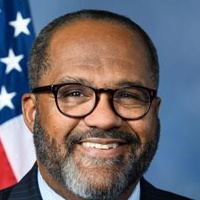
Troy Carter
Representative
LA-2
The Homeland Security Capabilities Preservation Reporting Act of 2026 mandates ongoing oversight of jurisdictions that lose eligibility for Urban Area Security Initiative (UASI) funding. By requiring periodic reports every three years, the bill ensures continued transparency regarding the impact of these funding transitions on national security capabilities.
Homeland Security Bill Mandates 3-Year Checkups for Cities Losing Federal Anti-Terrorism Grants
The Homeland Security Capabilities Preservation Reporting Act of 2026 is a targeted piece of legislative maintenance designed to keep tabs on cities that lose their spot in the federal funding line. Specifically, it amends the James M. Inhofe National Defense Authorization Act to transform a one-time reporting requirement into a permanent, recurring obligation. Instead of the government taking a single look at what happens when a city is cut off from Urban Area Security Initiative (UASI) funding, the Department of Homeland Security will now have to file a status report every three years (Section 2). This essentially creates a recurring 'health check' for the security infrastructure of metropolitan areas that the federal government no longer considers high-risk enough to subsidize.
Keeping the Lights On
UASI grants are the financial backbone for a lot of high-tech gear and specialized training—think of the specialized communication systems used by first responders or heavy-duty emergency response vehicles. When a jurisdiction loses this eligibility, there is often a concern that the expensive equipment will fall into disrepair or that specialized teams will be disbanded because the local budget can't pick up the tab. For a resident in a city that just dropped off the high-risk list, this bill means the federal government is now legally required to track whether your local police and fire departments can actually maintain the capabilities they built up with federal tax dollars. It moves the focus from 'here is some money' to 'let’s see if you can still function without it.'
Long-Term Oversight
By shifting to a triennial reporting cycle, the bill acknowledges that the impact of losing federal support isn't always immediate. A city might be fine one year after a grant ends, but three or six years down the road, the software licenses expire or the hardware reaches its end-of-life. For the tech worker or the small business owner, this is a rare bit of government foresight—it’s an attempt to gather data on whether safety programs are sustainable or if they simply evaporate once the federal checkbook closes. While it doesn't guarantee more money for these cities, it ensures that the 'capability gap' doesn't happen in the dark (Section 2).