The PLAN Act of 2026 establishes a comprehensive public education initiative to inform Americans about the importance of planning for future long-term care needs.
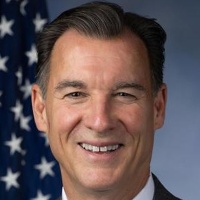
Thomas Suozzi
Representative
NY-3
The PLAN Act of 2026 establishes a national public education initiative to inform Americans about the importance of planning for future long-term care needs. Managed by the Secretary of Health and Human Services, this effort will provide accessible, objective information on risks, planning options, and available resources for individuals and family caregivers. The initiative will utilize broad outreach methods, including digital media and community partnerships, to encourage advance planning before retirement. Funding will be authorized through amendments to the Older Americans Act of 1965.
PLAN Act of 2026 Mandates National Long-Term Care Education Campaign to Help Working Adults Prep for Aging Costs
Most of us treat long-term care planning like that weird noise the car makes—we ignore it and hope it goes away. The PLAN Act of 2026 is essentially a government-backed nudge to stop doing that. The bill directs the Secretary of Health and Human Services to launch a massive public education blitz through the National Clearinghouse for Long-Term Care Information. It’s specifically aiming at people still in their working years, trying to get us to think about how we’re going to handle things like home-based care or assisted living long before we actually need a cane. This isn't just a few dusty brochures in a social security office; the bill explicitly calls for a modern makeover using short-form videos, social media influencers, and interactive online tools to explain the financial and logistical realities of getting older.
Not Your Grandparents' PSA
Section 2 of the bill lays out a high-tech strategy for getting the word out. Instead of just dry legal text, the initiative is required to use "visual storytelling" and case studies of people with real-world experience. Think of it as a mix of practical advice and reality checks delivered via livestreamed discussions and infographics. For a 35-year-old software dev or a 40-year-old contractor, this means seeing actual data on what home-care services cost versus institutional care, and understanding "long-term care partnership programs"—which are basically ways to coordinate private insurance with state resources. The bill also mandates that these materials be linguistically accessible and designed for people with disabilities, ensuring the info doesn't just sit in an English-only silo.
Targeting the 'Squeezed' Middle Class
A key provision of the bill focuses on the "missing middle." These are the folks who earn too much to qualify for Medicaid but don't have enough tucked away to self-finance a decade of private nursing care. By requiring targeted outreach to low- and middle-income individuals, the bill tries to prevent people from being blindsided by costs that can easily top $5,000 to $10,000 a month. It also loops in family caregivers—the people currently balancing a 9-to-5 while helping their own parents—by providing them with resources to help their loved ones plan. Whether you’re managing a retail store or a household, the goal is to provide a roadmap for the financial and housing shifts that come with aging (Section 2, Goals of the Initiative).
Accountability and the Long Game
To make sure this isn't just a one-off spending spree, the bill requires an initial report to Congress within one year, followed by annual updates. These reports have to track actual "planning behaviors"—meaning the government has to prove people are actually changing how they save or prep, not just that they saw a video. It also forces federal agencies like the Social Security Administration to play nice and integrate this info into their existing mailers and websites. While the bill uses existing funding from the Older Americans Act of 1965, it adds a layer of accountability by requiring HHS to look at past failures, like the "Own Your Future" campaign, to make sure they aren't repeating the same mistakes with our tax dollars.