This act allows civil lawsuits against federal election officials for civil rights violations.
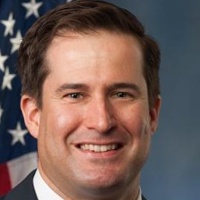
Seth Moulton
Representative
MA-6
The Protecting American Voters' Rights Act expands civil rights protections by allowing lawsuits against individuals acting under the authority of federal election agencies. This amendment to existing law creates a new mechanism for accountability regarding civil rights violations by federal election officials.
Protecting American Voters’ Rights Act Expands Civil Lawsuits to Federal Election Officials
This bill closes a long-standing legal loophole by allowing citizens to sue federal election officials for civil rights violations. Under current law, specifically Section 1979 of the Revised Statutes (often called a 'Section 1983' claim), you can generally only sue people acting under state or local authority if they infringe on your constitutional rights. This legislation changes the game by bringing federal election and enforcement agency staff under that same umbrella of accountability.
Closing the Accountability Gap
Think of it like this: if a state poll worker intentionally blocks you from voting, you already have a clear legal path to hold them personally responsible in court. But if a federal official—someone from a national election enforcement agency—did something similar, the legal path was much murkier because they weren't covered by this specific statute. By amending the law to include anyone acting under 'federal election authority,' the bill ensures that the rules for protecting your civil rights don't change just because the person across the desk gets their paycheck from the federal government instead of the state.
Real-World Recourse
For the average person, this provides a concrete safety net. Imagine a scenario where a federal agency staffer oversteps their bounds during an audit or an enforcement action in a way that violates your privacy or voting rights. Under this bill, you wouldn't just be filing a complaint with a bureaucratic office; you would have the right to take them to civil court. It puts federal officials on notice that they are legally liable for their actions, just like the local officials in your town or city have been for decades.
The Cost of Oversight
While this is a win for government transparency, it does introduce some practical hurdles. Federal election officials will likely face increased scrutiny and may need to navigate a higher volume of litigation. There is always the risk of 'frivolous' lawsuits—cases filed more for political theater than legal merit—which can tie up agency resources and taxpayer money. However, the bill relies on the existing legal system to filter these out, betting that the benefit of having a clear way to punish civil rights abuses outweighs the headache of a crowded court docket.