This Act establishes a national plan to improve tornado detection and warning systems while creating grants for community resilience projects in high-risk areas.
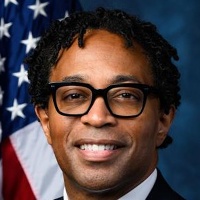
Wesley Bell
Representative
MO-1
The Tornado Preparedness Act establishes a national plan to enhance tornado detection, forecasting, and warning systems through technological investment. It creates a FEMA grant program to help high-risk communities build resilient infrastructure like storm shelters and modernize local warning systems. The bill mandates coordination between NOAA and FEMA to improve preparedness and response across all levels of government.
Tornado Preparedness Act Targets Faster Warnings and New Storm Shelters with AI Tech and Local Grants
The Tornado Preparedness Act aims to overhaul how the U.S. handles severe weather by modernizing detection technology and funding local safety infrastructure. Drawing on lessons from the 2025 St. Louis tornado, the bill directs the NOAA and FEMA administrators to build a national plan that swaps out aging systems for next-gen radar and AI-driven forecasting. The goal is to move past generic alerts toward localized, impact-based warnings that tell you exactly what’s coming to your specific neighborhood. Section 3 specifically pushes for the integration of these federal tools directly into the hands of local emergency managers, aiming to cut down the lag time between a funnel cloud appearing on radar and your phone buzzing with an alert.
Upgrading the Neighborhood Safety Net
One of the most practical shifts in this bill is the Community Tornado Resilience Grant Program under Section 4. Instead of just studying the problem, FEMA would be authorized to hand out cash to state and local agencies for tangible hardware. This includes building or retrofitting community storm shelters in high-risk spots like schools and mobile home parks, as well as installing backup power for sirens so they don't go dark when the grid fails. For someone living in a mobile home community or working in a school without a basement, this could mean the difference between having a designated safe place nearby or having to risk a drive during a storm.
Prioritizing High-Risk and Underserved Areas
The bill doesn't just throw money at the loudest voices; Section 4(c) requires FEMA to prioritize communities with the highest tornado frequency and those with the fewest resources. This means low-income or rural areas that currently lack reliable warning sirens or public shelters are moved to the front of the line for funding. By focusing on these gaps, the legislation attempts to ensure that your zip code doesn't determine your level of safety during a disaster. It also mandates better teamwork between federal and tribal or local governments to make sure everyone is using the same data and response plans when things get chaotic.
Accountability and Potential Hurdles
To keep things on track, Section 6 requires a follow-up report to Congress detailing exactly where the grant money went and what technology gaps still exist. However, the bill leaves some room for interpretation; for instance, it allows funds to be used for 'other projects' the Administrator deems appropriate, which is a bit vague and could lead to spending on secondary priorities. Additionally, while the push for AI and machine learning in Section 3 sounds high-tech, the real-world success of these tools will depend entirely on how well they are implemented and whether local emergency offices have the training to use them. For now, the bill focuses on laying the groundwork to ensure that when the next big storm hits, the sirens actually wail and there’s a reinforced room waiting for you.