This bill mandates that financial institutions verify the citizenship or lawful immigration status of new account holders and imposes criminal penalties for undocumented individuals who open or maintain accounts.
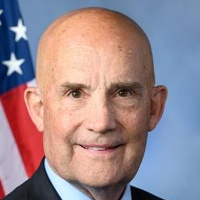
Keith Self
Representative
TX-3
The Know Your American Customer Act mandates that financial institutions verify the U.S. citizenship or lawful immigration status of individuals opening new accounts. This verification requires specific documentation, and accounts opened by individuals whose authorized stay expires will face temporary restrictions followed by mandatory closure if status is not updated. The Act also establishes new criminal penalties for individuals who are not lawfully present for opening or maintaining active accounts at these institutions.
New 'Know Your American Customer Act' Mandates Citizenship Checks for Bank Accounts and Imposes $1 Million Fines
Starting 90 days after this bill hits the books, opening a bank account will look a lot more like a trip to the DMV. The 'Know Your American Customer Act' requires every bank and credit union in the U.S. to verify that you are either a U.S. citizen or a lawfully present resident before you can open an account. It specifically lists the paperwork you'll need—think REAL ID-compliant licenses, passports, or birth certificates—and it doesn't just apply to individuals. If you’re starting a small business or a legal entity, the person in charge has to show their papers too. While you won't need to re-verify for new accounts at a bank where you already have one, any new joint holders or authorized signers you add to your existing accounts will have to run the documentation gauntlet.
The Countdown Clock for Temporary Residents
For those in the U.S. on temporary visas, the bill creates a high-stakes timeline. If you open an account using a temporary stay authorization, you have to file a specific Treasury form documenting exactly when your legal stay expires. Once that date hits, the clock starts ticking: you get 30 days of full access, followed by a 60-day 'restricted' period where the bank can only accept deposits. During those 60 days, your debit card is cut off, and wire transfers are blocked. If you don't provide updated proof of lawful presence by the end of that 90-day window, the bank is legally required to close your account entirely. For a tech worker on an H-1B visa or a student awaiting a visa renewal, a paperwork delay at a government office could suddenly mean losing access to the money needed for rent or groceries.
High Stakes and Heavy Fines
This isn't just a suggestion for banks; it’s a mandate with some of the heaviest penalties we’ve seen in financial regulation. If an individual who is not lawfully present (or has a removal order) opens or even maintains an active account, they could face a fine of up to $1,000,000 and a year in prison. The bill also cracks down on using 'middlemen' or legal entities to bypass these rules, applying those same million-dollar fines to anyone trying to hide their status behind a business shell. While there are some exceptions—like for those with pending asylum applications or people whose authorized stay ended less than 90 days ago—the threat of criminal charges adds a massive layer of risk to everyday financial activity.
Banking Under the Microscope
By overriding state laws and giving the Treasury Department just 90 days to finalize the rules, this bill moves fast to change how we interact with our money. For the average person, it means more paperwork and potentially longer wait times at the bank while staff verify naturalization papers or birth certificates. For financial institutions, the burden is on them to freeze or close accounts of anyone deemed ineligible, or face civil penalties themselves. While the bill includes 'good faith' protections for banks that try their best to comply, the real-world impact will likely be felt most by those with complicated immigration statuses or people who struggle to access the specific, high-level identification documents required by the new federal standards.