This Act renames and expands the IDEAS Program to significantly increase access to quality, diverse study abroad opportunities for all U.S. students, especially those from underrepresented backgrounds.
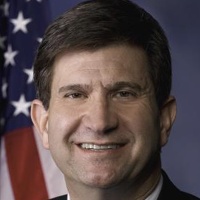
Bradley "Brad" Schneider
Representative
IL-10
The Senator Paul Simon Study Abroad Program Act of 2026 aims to significantly increase the number of U.S. students participating in study abroad programs, focusing on greater diversity and access for underrepresented groups. It renames and expands the existing IDEAS Program, directing the Secretary of State to award competitive grants to colleges and universities. The ultimate goal is to have one million students studying abroad annually within ten years, with increased participation in developing nations.
Senator Paul Simon Act Aims to Send 1 Million Students Abroad Annually by 2036
The Senator Paul Simon Study Abroad Program Act of 2026 sets a massive goal: getting one million U.S. college students overseas every year within the next decade. Currently, only about 10% of students study abroad, and they often come from wealthier backgrounds or attend elite schools. This bill rebrands and supercharges the existing IDEAS Program, turning it into a grant-making powerhouse specifically designed to make sure the kids going abroad actually look like the rest of America—including more students of color, first-generation college goers, and community college students. It’s not just about the numbers; it’s about making sure a student from a local community college has the same shot at an internship in Brazil as a private university student has at a summer in Paris.
Passport to the Real World
To hit that million-student target, the Secretary of State will start handing out competitive grants to colleges and universities. Think of it as a federal incentive for schools to stop treating study abroad as a luxury add-on and start making it a core part of the degree. For a student working a part-time job while studying, the bill specifically mentions using funds for "direct student costs," which could mean help with the pricey flights or housing that usually keep international programs out of reach. The bill also pushes for more travel to "nontraditional destinations," meaning instead of everyone heading to Western Europe, there’s a new focus on developing nations where students might gain unique insights into the global economy (Section 4).
Prioritizing Diversity and Safety
The bill doesn't just throw money at every school. It gives a leg up to Minority-Serving Institutions (MSIs) and schools that qualify for the "Strengthening Institutions Program." If you’re a student at a school that’s historically been underfunded, your campus might suddenly have more resources to help you learn a second language or land a research gig in another country. Because the world can be a complicated place, the bill also mandates that schools use State Department and CDC data to set strict health and safety guidelines. This means if you’re a parent, you can breathe a little easier knowing the program has a built-in requirement to monitor travel advisories and security risks (Section 4).
The Long-Term Game Plan
While the bill is light on a specific total price tag—authorizing "whatever sums are necessary" starting in 2027—it is heavy on accountability. The Secretary of State has to report back to Congress every single year to show if the needle is actually moving on student diversity and participation. The real test will be whether the funding keeps up with the ambition. For the average student or parent, this could mean that in a few years, a semester in a place like Vietnam or Ghana isn't just a dream for the lucky few, but a standard, affordable option for anyone trying to build a resume that stands out in a global job market.