This Act establishes a grant program administered by the COPS Director to fund local, state, and tribal task forces in locating, investigating, and disrupting illegal opioid distribution.
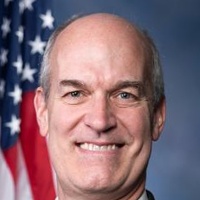
Rick Larsen
Representative
WA-2
The End Fentanyl Trafficking with Local Task Forces Act of 2026 establishes a new grant program to fund local, state, and tribal entities in their efforts to locate, investigate, and disrupt illegal opioid distribution. The Attorney General, through the COPS Director, will award grants for hiring, training, equipment, and establishing or expanding multi-jurisdictional task forces. The legislation prioritizes support for Tribal law enforcement and task forces, authorizing $70 million annually from 2027 through 2031.
Local Law Enforcement to Get $70 Million Annual Boost for Fentanyl Task Forces Through 2031
The federal government is looking to put some serious muscle behind local drug enforcement with the 'End Fentanyl Trafficking with Local Task Forces Act of 2026.' This bill proposes a $70 million annual budget from 2027 through 2031 to fund a specialized grant program. Managed by the COPS Director under the Department of Justice, the money is earmarked for one specific mission: finding and breaking up illegal opioid distribution networks. It’s not just about writing checks; it’s about forcing different agencies to actually talk to each other by prioritizing 'multi-jurisdictional task forces'—think of it as a coordinated team-up between your local police, the county sheriff, and neighboring state troopers.
Budgeting for the Bust
Under Section 2, the grant money can be used for the nuts and bolts of police work. This includes hiring new officers, paying for overtime, and buying the tech and equipment needed to track sophisticated trafficking rings. For a mid-sized city or a rural county currently struggling with a spike in fentanyl cases, this could mean the difference between having a dedicated narcotics unit or just a single detective juggling a hundred files. The bill also mandates that the COPS Director must provide technical assistance and training centers, ensuring that even smaller departments have access to the same high-level investigative strategies used by the big guys.
Tribal Sovereignty and Teamwork
A standout feature of this legislation is the 20% set-aside rule. Not less than 20% of the total funds are reserved specifically for Indian Tribes and multi-jurisdictional task forces. This is a practical move that recognizes how drug trafficking often crosses borders where legal jurisdictions get messy. By ensuring Tribal law enforcement has a direct line to funding and a seat at the table in regional consortia, the bill aims to close the gaps that traffickers often exploit. It also allows for sub-awards, meaning a state that gets a grant can pass that money down to a specific local task force that’s doing the heavy lifting on the ground.
Accountability and the Red Tape Factor
To make sure this doesn't just become a bureaucratic black hole, the bill requires the COPS Director to streamline the application process within 90 days. The goal is to get the money moving without burying local chiefs in paperwork. However, there is a layer of oversight: agencies must report their data, and the COPS Director has to hit Congress with an annual report on whether the program is actually working. While the Attorney General has some leeway to decide what 'other activities' qualify for funding, the strict focus on opioids and the 2% cap on administrative overhead suggests a lean operation focused on results rather than office supplies.