This Act establishes a fund administered by a Special Master to compensate law enforcement officers injured or killed while defending the U.S. Capitol on January 6, 2021.
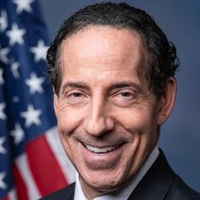
Jamie Raskin
Representative
MD-8
This Act establishes the January 6th Law Enforcement Heroes Compensation Fund to provide financial compensation for injuries and deaths sustained by law enforcement officers defending the U.S. Capitol on January 6, 2021. The program will be administered by a Special Master appointed by the Attorney General, who will review claims for economic and noneconomic losses. The bill also mandates an additional, guaranteed payment for all eligible officers, funded in part by certain government settlement amounts related to the attack. Determinations made by the Special Master regarding compensation are final and not subject to judicial review.
January 6th Law Enforcement Fund Guarantees $4.9 Million Death Benefit and Mental Health Compensation for Capitol Defenders
This bill creates a specialized federal program to provide financial compensation to law enforcement officers who defended the U.S. Capitol on January 6, 2021. Managed by a Department of Justice Special Master, the fund covers physical injuries, emotional trauma like PTSD, and economic losses. Crucially, the legislation sets a minimum death benefit of $4,975,000 for families of fallen officers, specifically including deaths by suicide that are 'reasonably attributable' to their service that day.
More Than Just Medical Bills
While we often think of worker's comp as just covering a broken leg or a hospital stay, this bill goes much deeper. It defines 'noneconomic losses' to include mental anguish, loss of enjoyment of life, and even injury to reputation (Section 2). For an officer who has spent the last few years struggling with the psychological aftermath of the riot, this means the fund recognizes their invisible wounds as valid claims. The bill also cuts through the usual red tape by allowing the government to pay out claims immediately once the Special Master makes a decision, without waiting for Congress to pass a separate spending bill (Section 8).
The 'Everyone Gets a Slice' Bonus
In an interesting twist, the bill doesn't just help those with documented injuries. Section 7 creates an additional 'bonus' pool for every single officer who was on active duty at the Capitol that day. This pool starts at nearly $5 million and grows based on any settlements the U.S. government reaches with people convicted of January 6th-related offenses. Essentially, if the government collects money from those who broke the law, that money gets funneled directly back to the officers who were holding the line. This could mean a significant 'thank you' check for thousands of officers, regardless of whether they filed a specific injury claim.
Filing the Paperwork and Finding the Funds
For the officers or their families, the clock starts ticking once the Attorney General drops the official regulations (which must happen within 90 days of the bill becoming law). They will have a three-year window to file their claims (Section 5). To keep things fair, the Special Master will subtract any money an officer has already received from life insurance or other government death benefits to avoid 'double-dipping' (Section 5). One thing to watch: the bill gives the government the right of 'subrogation,' meaning if Uncle Sam pays an officer for their injuries, the government can then turn around and sue any third parties responsible for that harm to get their money back (Section 10).