This bill mandates the inclusion of a voluntary question in major federal surveys to identify and collect data on individuals providing unpaid care to both children and older or disabled adults.
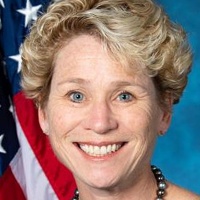
Chrissy Houlahan
Representative
PA-6
The Multigenerational Caregiving Data Act mandates the collection of new data on individuals who provide unpaid care to both children and older adults. This requires the Secretary of Commerce to ensure at least one major federal population survey includes a voluntary question identifying these multigenerational caregivers within three years. The goal is to improve federal understanding of this growing demographic to inform better policy decisions.
Feds Required to Start Counting the "Sandwich Generation": New Survey Question Targets Multigenerational Caregivers Within 3 Years
The Multigenerational Caregiving Data Act does one straightforward thing: it tells the Commerce Department to add a question to a major federal survey that identifies people caring for both kids and adults with health conditions or disabilities. The deadline is three years from enactment, the response is voluntary, and the question has to be tested before it goes live.
If you've ever wondered why nobody in Washington seems to know how many people are simultaneously raising children and caring for aging parents, this bill is the answer to that question. Right now, that data simply doesn't exist in any systematic way.
The Invisible Workforce
Here's what the bill's findings section lays out plainly: a growing number of Americans provide unpaid care across generations, these caregivers face "unique financial, health, and employment challenges," and existing federal data doesn't adequately capture any of it — especially when the care happens across different households.
Think about that for a second. You're a 42-year-old with a mortgage, a kid in middle school, and a father with early-stage dementia who lives 20 minutes away. You're coordinating doctor appointments on your lunch break, leaving work early for parent-teacher conferences, and burning through vacation days to handle your dad's insurance paperwork. The federal government has no systematic way of knowing you exist in this role.
That's the gap this bill targets.
Who Gets Counted — and How
The bill defines a "multigenerational caregiver" as someone providing unpaid care to at least one person from two different categories among these three:
- A child under 18
- An adult aged 18 to 64 with a health condition or disability
- An adult aged 65 or older with a health condition or disability
So it's not just the classic "sandwich generation" scenario of kids plus elderly parents. Someone caring for a disabled spouse and an aging parent counts. A grandparent raising a grandchild while also caring for their own parent counts. The definition is broad enough to capture the messy reality of how caregiving actually works.
The survey question will ask whether someone has provided this kind of regular unpaid care during the previous 12 months. It'll be added to at least one major federal population survey — the bill name-checks the American Community Survey, the Current Population Survey, and the National Health Interview Survey as examples.
Testing Before Launch
One detail that matters: the bill requires cognitive testing and field testing before the question goes into full use. That's not bureaucratic filler language. It means the Census Bureau or whichever agency runs the survey has to verify that people actually understand the question the same way and answer it consistently. Without that step, you risk collecting garbage data that looks official but means nothing.
The Secretary of Commerce also gets flexibility to adjust wording, response options, and placement on the survey — but only to promote clear answers, reduce the time burden on respondents, and stay consistent with the survey's methodology.
What Happens After the Data Comes In
Within two years of the question being added, the Secretary has to submit a report to Congress that evaluates data quality and usability, assesses how much burden the question places on respondents and what the response rates look like, identifies which survey or surveys included the question, and recommends whether to expand, change, or discontinue it.
That report also gets published on the Department of Commerce's public website. So anyone — researchers, advocacy groups, journalists, or just curious caregivers — can see what the data shows and whether the question is working.
Why This Matters Beyond the Spreadsheet
This is fundamentally a data infrastructure bill. It doesn't create any new programs, authorize any spending beyond what's needed to add and test the question, or change anyone's benefits. But the downstream implications are significant.
Federal data shapes where money goes, what programs get created, and how policymakers understand problems. If you can't measure something, it's awfully hard to make policy about it. Right now, multigenerational caregivers are statistically invisible — which means their financial strain, their health impacts, and their workforce challenges don't show up in the numbers that drive decisions.
The voluntary nature of the question is worth noting. Nobody has to answer it. That's a privacy protection, but it also means the data will have some inherent limitations — people who decline to answer may differ in meaningful ways from those who respond. The testing phase should help clarify how significant that gap might be.
The Bottom Line
This is a small, focused bill with a clear mechanism: add one tested, voluntary question to an existing survey, then report back on whether it worked. It doesn't create new bureaucracy — it piggybacks on surveys that are already running. The three-year implementation window gives agencies time to get the testing right. And the public reporting requirement means there's a built-in accountability check on whether the whole exercise was worth doing.
For the millions of Americans currently juggling care across generations without showing up in any federal data set, this bill is a first step toward being counted.