This bill expands housing assistance for qualified volunteer first responders by allowing income deductions for USDA loans and making them eligible for HUD's Good Neighbor Next Door home discount program.
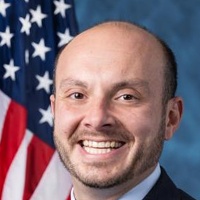
Andrew Garbarino
Representative
NY-2
The Volunteer First Responder Housing Act aims to increase housing accessibility for dedicated volunteer first responders. This bill allows qualified volunteers to receive an $18,000 income deduction when applying for USDA Single Family Housing Guaranteed Loans. Furthermore, it makes these volunteers eligible for HUD's Good Neighbor Next Door Sales Program, allowing them to purchase homes at discounted prices. Eligibility requires continuous service, meeting minimum hour requirements, and holding current first responder certification.
New Bill Offers $18,000 Income Deduction for Volunteer First Responders on Home Loans, Plus Discounted Homes
Alright, let's talk about something that hits close to home for a lot of communities: the new "Volunteer First Responder Housing Act." This isn't some abstract policy; it’s a direct shot at helping the folks who volunteer their time, often in dangerous situations, to keep us safe. Think about your local fire department or ambulance crew – many of those heroes are volunteers, juggling their regular jobs and family life with emergency calls.
Giving Back to Those Who Give First
So, what's the big deal here? This bill basically says, if you're a qualified volunteer first responder, the government wants to help you buy a house. Specifically, it lets these volunteers deduct a cool $18,000 from their annual income when they apply for a Single Family Housing Guaranteed Loan through the Department of Agriculture. Now, if you've ever applied for a loan, you know that income plays a huge role in qualifying. Knocking $18,000 off your reported income could be the difference between getting approved for that mortgage or not, especially for families trying to make ends meet in today's housing market. This is laid out directly in Section 3 of the bill, referencing the income rules in 7 CFR 3555.152(c).
Discounted Homes for Dedicated Service
But wait, there's more. The Act also opens up discounted home programs for these volunteers. Ever heard of the Good Neighbor Next Door Sales Program? It's where HUD (Housing and Urban Development) sells homes at a pretty significant discount, usually to folks like police officers, teachers, and EMTs. Well, under Section 4 of this new bill, qualified volunteer first responders will now be treated just like those other essential workers, making them eligible for these discounted properties. Imagine being able to snag a home for less because you've been dedicating your nights and weekends to your community. That's a serious leg up in a competitive market.
Who Qualifies for This Sweet Deal?
Now, before everyone rushes to sign up for volunteer duty, there are some clear requirements. To be a "qualified volunteer first responder," you need to have been continuously volunteering for at least two years with an eligible employer. During those two years, you either had to meet your employer's minimum activity requirements or, if they didn't have any, you had to log at least 200 hours each year. Plus, you need to be certified as a firefighter or other first responder in your state, local, or Tribal jurisdiction. So, it's not just showing up once in a while; it's about consistent, certified service. To prove it, you'll need a verification letter from your volunteer employer, confirming your service dates, activity levels, and certifications, as detailed in both Sections 3(b) and 4(b) of the Act.
What This Means for Your Community
At the end of the day, this bill is a nod to the unsung heroes in our communities. By making homeownership more accessible, it could help retain and attract more volunteers to these critical roles. If you're a volunteer first responder, this could mean finally getting your foot in the door to owning a home, or upgrading to something more suitable for your family, without the usual financial hurdles. For the rest of us, it means our communities continue to benefit from dedicated, local emergency services, supported by a workforce that feels valued. It's a pragmatic approach to supporting the people who literally keep our neighborhoods safe.