The Military Chaplains Modernization Act of 2026 redefines the purpose, duties, leadership structure, and professional qualifications for chaplains across the Army, Navy, and Air Force, while strengthening legal protections for chaplains to practice according to their faith.
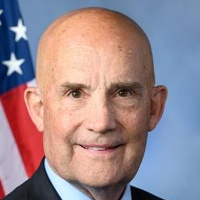
Keith Self
Representative
TX-3
The Military Chaplains Modernization Act of 2026 comprehensively updates the role, duties, and professional requirements for chaplains across the Army, Navy, and Air Force, including the Space Force. This legislation codifies extensive protections for chaplains to practice their ministry according to their sincerely held religious beliefs without fear of reprisal or censorship. Furthermore, it establishes new leadership structures within the chaplaincies and clarifies that violations of these protections are subject to prosecution under the Uniform Code of Military Justice.
Military Chaplains Modernization Act of 2026: New Protections for Faith and Duty in the Armed Forces
The Military Chaplains Modernization Act of 2026 is a comprehensive overhaul of how the U.S. military handles religious support. It formally defines the role of a chaplain across all branches—including the first dedicated chaplaincy for the Space Force—and establishes strict legal safeguards to ensure these officers can serve according to their faith without facing career-ending retaliation. By updating Title 10 of the U.S. Code, the bill shifts chaplaincy from a matter of tradition to a matter of clearly defined federal law, ensuring that the spiritual needs of service members are met even in the most isolated combat environments.
Guarding the Guardians of Faith
One of the most significant shifts in this bill is the creation of a legal 'shield' for individual chaplains. Under Sections 3, 4, and 5, a chaplain cannot be forced to perform any rite, ritual, or sermon that contradicts their sincerely held religious beliefs or the tenets of their endorsing organization. This isn't just a suggestion; it’s a mandate backed by the Uniform Code of Military Justice (UCMJ). If a commander tries to force a chaplain to act against their conscience or retaliates by blocking a promotion or issuing a negative evaluation, that commander could face prosecution under Section 7. For a chaplain who might be the only source of spiritual counsel on a Navy destroyer or a remote base, this ensures they can provide authentic guidance without looking over their shoulder at a performance review.
A New Seat at the Table
The bill also modernizes the military’s organizational chart to reflect the reality of modern service. It adds the Chief of Chaplains to the Air Staff and creates a new Deputy Chief of Chaplains specifically for the Space Force, holding the rank of brigadier general. This ensures that as our newest military branch grows, spiritual readiness is baked into the leadership structure from the start. For the average service member, this means better access to religious accommodations and confidential counseling, as the bill explicitly protects 'privileged communications'—meaning what you say to a chaplain stays between you and them, just like a doctor-patient relationship.
Professional Standards and Real-World Support
To keep the quality of care high, Section 6 sets strict professional requirements: chaplains must be fully qualified religious ministry professionals with endorsements from recognized organizations and meet specific Department of Defense educational standards. The bill also places a heavy burden on commanding officers to provide the 'necessary transportation' and facilities for chaplains to do their jobs. Whether it’s a soldier in the Army National Guard or a technician in the Space Force, this bill aims to ensure that the constitutional right to free exercise of religion isn't just a theoretical concept, but a practical reality supported by the military’s budget and legal framework.