This bill requires applicants for certain federal justice grants to certify they have not improperly disclosed personal information related to firearm registration, carry permits, or background checks.
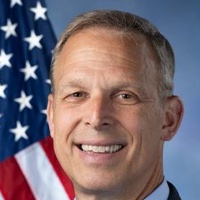
Scott Perry
Representative
PA-10
This bill, the Protecting Our Second Amendment Data Act, establishes new requirements for recipients of federal justice grants, including Edward Byrne Memorial Justice Assistance Grants (JAG) and COPS grants. Applicants must certify that they have not improperly disclosed or misused personally identifiable information related to firearm registration, concealed/open carry permits, or background checks. This aims to safeguard the private data of individuals involved in lawful firearm-related activities.
Federal Grant Eligibility Tied to Gun Owner Privacy: New Data Protections Set for 2024
The 'Protecting Our Second Amendment Data Act' sets a new, strict boundary on how government agencies and private groups handle your personal information if they want to keep their federal funding. Specifically, it targets the Edward Byrne Memorial Justice Assistance Grants (Byrne JAG) and COPS grants—the primary sources of federal cash for local police departments and public safety programs. Starting next fiscal year, any group applying for these funds must certify they haven’t leaked or shared the personal details of anyone who registered a gun, applied for a carry permit, or went through a background check. This isn't just about big databases; it covers everything from your Social Security number and birth date to your biometric records and even your home phone number (Section 4).
The Cost of a Data Slip
For local law enforcement, this bill creates a high-stakes environment where a single administrative error could freeze their budget. Under Sections 2 and 3, an agency must swear that they didn't 'intentionally, accidentally, or otherwise knowingly' disclose your info during the previous year. Imagine a small-town police department that accidentally includes a list of concealed carry permit holders in a public records response or a data leak. Under this bill, that mistake could disqualify them from receiving the federal grants they use to buy body cameras or fund specialized task forces. While the goal is to keep your private business private, the 'accidental' clause means there is very little room for human error before the financial tap gets turned off.
Private Groups and the Fine Print
It isn't just the police who are on the hook; private organizations that receive Byrne JAG grants are also covered. However, the rules for them are slightly different. While public agencies look back at the 'previous fiscal year,' private entities must certify they haven't misused or disseminated this data without a specific time window mentioned in Section 3. This could mean a nonprofit working on community safety might have to audit years of records to ensure no firearm-related data was ever shared before they can qualify for new funding. For a software developer working on a state background check system, this adds a massive layer of liability to how they manage their databases.
Privacy vs. Public Safety Coordination
The real-world friction likely comes down to how 'disclosure' is defined. If a local sheriff’s office shares a list of permit holders with a neighboring county to coordinate a task force, does that count as a disclosure that kills their grant eligibility? The bill is somewhat vague on whether sharing info between government agencies for legitimate investigations is a violation. Because the definition of 'personally identifiable information' in Section 4 is so broad—including 'demographic, medical, or financial details'—agencies might become extremely hesitant to share any data at all, fearing they might lose the funding they need to keep the lights on and the squad cars running.