This bill requires special immigrant visa applicants to disavow Sharia law and swear an oath to uphold the U.S. Constitution.
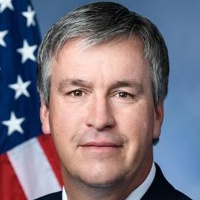
Barry Moore
Representative
AL-1
The CRUSADE Act amends immigration law to require applicants for special immigrant visas to take an oath disavowing Sharia law and affirming their commitment to the U.S. Constitution. This measure aims to counter radicalism by ensuring visa recipients adhere to American legal and constitutional principles.
CRUSADE Act Proposes Mandatory Oath and Disavowal of Sharia Law for Special Immigrant Visas
The 'Countering Radicalism Under Sharia And Defeating Extremism Act'—or the CRUSADE Act—proposes a significant shift in how the U.S. handles Special Immigrant Visas (SIVs). Under Section 2, any individual applying for this specific visa category would be required to take a formal oath to uphold the U.S. Constitution while simultaneously disavowing 'sharia law.' This isn't just a paperwork change; it adds a mandatory ideological and religious litmus test to an immigration process that often serves people who have put their lives on the line for U.S. interests abroad, such as translators or contractors.
A New Litmus Test at the Border
By amending Section 203(b)(4) of the Immigration and Nationality Act, the bill introduces a requirement that is legally and practically murky. The bill doesn't actually define what 'sharia law' means in this context. For a typical applicant—perhaps someone who assisted U.S. troops in the Middle East—this creates a massive gray area. Does 'sharia' refer to extremist political ideologies, or does it include personal religious practices like dietary laws or inheritance traditions? Because the bill is vague (Section 2), a local consular officer is given a huge amount of power to decide if an applicant's personal faith constitutes a 'failure' to disavow the system, potentially blocking visas for the very allies the SIV program was designed to protect.
Real-World Hurdles and Historical Weight
The practical fallout of this bill would likely hit Muslim immigrants and refugees the hardest. Imagine a professional who worked as an interpreter for the U.S. military for five years; under this act, they could face an invasive screening process where their private religious beliefs are scrutinized against an undefined legal standard. Furthermore, the bill’s title—the CRUSADE Act—uses a term loaded with historical conflict. This framing, combined with the new oath, suggests a policy shift that moves away from vetting individuals based on their actions and toward vetting them based on their religious identity. For the busy person trying to understand the stakes, it means the SIV process could become significantly slower, more subjective, and potentially closed off to those from specific cultural backgrounds.