The Feed Our Kids Act of 2026 establishes universal free breakfast and lunch programs for all students, eliminates meal debt and shaming, and expands access to summer and afterschool meals.
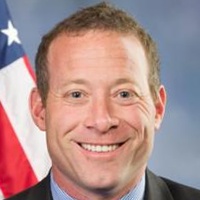
Josh Gottheimer
Representative
NJ-5
The Feed Our Kids Act of 2026 establishes universal free breakfast and lunch programs for all enrolled students, eliminating meal debt and the stigma associated with subsidized meals. It sets new federal reimbursement rates adjusted for inflation and provides incentives for schools to purchase locally-sourced food. The bill also mandates a federal report to Congress assessing the impact of these universal meal programs on student outcomes and nutrition.
Universal Free School Meals on the Horizon: 'Feed Our Kids Act' Targets Hunger, Debt, and Stigma
Alright, let's talk about the 'Feed Our Kids Act of 2026.' This isn't just another piece of legislation; it's a pretty big shake-up for how kids eat at school, and honestly, it sounds like a breath of fresh air for a lot of families struggling with rising costs.
Breakfast Club for Everyone
First up, this bill wants to make sure every single kid can start their day with a full stomach. We're talking universal free breakfast for all enrolled students, no questions asked. That means no more reduced-price forms, no more income checks, and definitely no more kids going hungry because their family couldn't swing the cost. The bill sets a national average payment of $2.80 per free breakfast, adjusted for inflation annually starting July 1, 2026. This is a game-changer, especially for those 'severe need' schools where at least 40% of students are economically disadvantaged. It's about leveling the playing field before the first bell even rings.
Lunch is on the House (and the Feds)
This is where things get really interesting. The 'Feed Our Kids Act' isn't just stopping at breakfast; it's pushing for all school lunches to be free for every student. Yes, you read that right. Universal free lunch. This completely scraps the old income-based eligibility requirements, which means no more digging through paperwork to prove your family qualifies. The federal payment for these free lunches is set at a base rate of $4.63 per meal, also with annual inflation adjustments. For parents, this could mean hundreds of dollars saved per child each year, and a huge weight lifted off their shoulders.
No More Lunch Shaming
One of the most impactful parts of this bill, in my opinion, is its direct attack on 'lunch shaming.' We've all heard the stories – kids being singled out, given different meals, or even denied food because of unpaid balances. This act bans schools from collecting meal debt from families and explicitly prohibits any practice that shames students over unpaid charges. Schools can't publicly identify kids who owe money, or physically separate them. To top it off, the Agriculture Department is tasked with reimbursing schools for all existing unpaid meal debt within 180 days of the bill becoming law. This clears the slate for schools and protects kids from a truly crummy situation.
Beyond the School Year: Summer and After-School Eats
Hunger doesn't take a summer vacation, and this bill gets that. It expands summer meal access by making all children eligible, regardless of income, and allows meals to be served from May through September, during school vacations, and even emergency closures. Plus, it extends meal support to child and adult care settings and provides meals and supplements for children in after-school care. This means more consistent access to nutritious food when school isn't in session, which is crucial for development and keeping kids healthy.
Farm-to-School Bonus and a Reality Check
Here’s a cool detail: the bill offers bonus payments of up to $0.30 per lunch for schools that use at least 25% locally-sourced farm products. This is a win-win, supporting local farmers and getting fresher food onto kids' plates. Now, let's be real, implementing all this won't be without its bumps. There's a one-year delay on the effective date to give everyone—schools, states, and federal agencies—time to prepare. And to keep things transparent, the bill requires a report to Congress on how these free meal programs actually impact students, covering everything from academic performance to local food sourcing. So, while taxpayers will be footing a bigger bill, the aim is to see tangible benefits in student health and learning, which, let's face it, is an investment in our future workforce.
This legislation is a big swing at child hunger and the often-overlooked stress it places on families and kids. It’s about ensuring that a child’s ability to learn and thrive isn't limited by whether they can afford a meal. It's about making sure every kid has a fair shot, starting with breakfast and lunch.