This bill establishes sanctions against foreign persons and governments that participate in the forced recruitment or kidnapping of African nationals to fight for Russia in Ukraine.
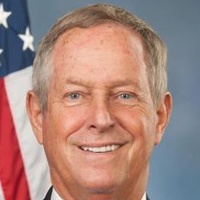
Joe Wilson
Representative
SC-2
This Act mandates the creation of a list of foreign persons and governments involved in the forced recruitment or kidnapping of African nationals to fight for Russia in Ukraine. The President is then authorized to impose strict sanctions, including asset freezes and visa bans, on those identified. These sanctions aim to counter human rights violations stemming from Russia's deceptive recruitment practices. All sanctions imposed under this bill will automatically terminate five years after enactment.
New Bill Targets Forced Recruitment of Africans for Russia's War: Sanctions on Perpetrators Coming
Alright, let's cut through the noise and talk about something pretty serious: the 'Countering Russia’s Forced Recruitment and Kidnapping in Africa Act.' This bill is a direct response to some truly grim reports coming out of Africa, where Russian-backed groups are allegedly tricking, coercing, and even kidnapping people to send them to fight in Ukraine.
The Deceptive Recruitment Playbook
Imagine you're offered a great job abroad, maybe some bodyguard training, or even a chance to race in Europe. That's the bait, according to this bill. It details how individuals from countries like South Africa, Kenya, and Cameroon have been lured to Russia under false pretenses—thinking they're getting a good job, advanced military training, or even a shot at a sports career. Instead, their passports are burned, phones are confiscated, and they're handed contracts in Russian they can't read, only to find themselves shipped off to the front lines in Ukraine. The bill even mentions African women being recruited for 'professional training' in Russia, only to end up in hazardous factory conditions building drones. It's a classic human trafficking scheme, but with a geopolitical twist.
Naming Names and Freezing Assets
So, what's this bill going to do about it? First off, the Secretary of State has 90 days to create a public list of foreign individuals and governments that are participating in or facilitating this forced recruitment. Think of it as a global 'naughty list' for those exploiting vulnerable people. This isn't just about military recruitment; it also covers situations where people are tricked into jobs or 'volunteer work' that ultimately supports Russia's war effort. Crucially, if you're a victim of this fraud or coercion, you won't end up on this list.
Once someone or some entity is on that list, the President gets 30 days to slap them with some serious sanctions. This isn't just a slap on the wrist; we're talking about freezing any property they have in the U.S., cutting off their access to U.S. bank loans (anything over $10 million in a year), and blocking support from U.S. development and trade agencies. For individuals on the list, it means their U.S. visas get revoked, and they're barred from entering the country. It's a pretty comprehensive financial and travel lockdown.
The Real-World Ripple Effect
For everyday folks, this bill aims to throw a wrench into these deceptive practices. If you're an African national considering an overseas job offer, especially one tied to Russia, this legislation is a warning shot that the U.S. is taking these recruitment scams seriously. It means there's a concerted effort to expose and punish those who would exploit desperate individuals. For businesses that might unknowingly be dealing with entities involved in these schemes, it's a reminder to do your due diligence, as getting caught up with a sanctioned entity could have significant financial repercussions. The bill also includes common-sense exceptions, ensuring that humanitarian aid, food, medicine, and medical devices aren't caught up in these sanctions, because even in a conflict, humanitarian relief is essential.
This bill is essentially saying: if you're involved in tricking people into fighting a war they didn't sign up for, or forcing them into labor that supports it, there will be consequences. It’s a direct move to protect human rights and push back against exploitation, with a five-year sunset clause on the sanctions, meaning they’ll be reviewed for effectiveness down the line. It's about making sure that promises of a better life don't turn into a nightmare on a battlefield or in a factory.