The CHARLIE Act restricts the use of American History and Civics program funds to prohibit "discriminatory equity ideology" and "gender ideology," and bars the Department of Education from prioritizing grant applicants based on identity factors.
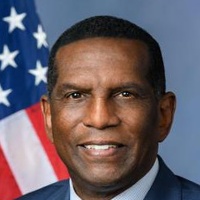
Clarence "Burgess" Owens
Representative
UT-4
The CHARLIE Act amends federal law to restrict the use of American History and Civics program funds, explicitly prohibiting their use for "discriminatory equity ideology" or "gender ideology." Furthermore, the bill bars the Secretary of Education from prioritizing grant applicants based on race, sex, sexual orientation, gender identity, or immigration status. This legislation aims to ensure federal education funding is not used for specific ideological purposes and to prevent identity-based preferences in grant awards.
New CHARLIE Act Curbs Civics Funds for 'Equity' and 'Gender' Ideologies, Redefines Grant Priorities
Alright, let's talk about the CHARLIE Act. This bill is looking to shake up how American history and civics programs get funded, especially when it comes to what can and can't be taught or prioritized. Essentially, it's putting some pretty firm new fences around federal money for these subjects, specifically banning funds for anything labeled 'discriminatory equity ideology' or 'gender ideology.' If you're wondering what those terms actually mean, the bill points to some existing Executive Orders (14190 and 14168) for the definitions, which, as we know, can sometimes be a moving target depending on who's in charge.
What's Off-Limits for Your Kids' Classrooms?
So, what does this mean for the civics lessons your kids are getting? Under this act, any federal dollars for American history and civics can't be used to promote what the bill calls 'discriminatory equity ideology' or 'gender ideology.' This isn't just about what's said in a textbook; it could impact classroom discussions, curriculum development, and even teacher training. For example, if a school wanted to use a grant to develop a program exploring systemic inequalities or the historical context of gender roles in society, this bill could potentially block that funding. The vagueness of those terms, 'discriminatory equity ideology' and 'gender ideology,' is a big deal here. They aren't clearly defined within the bill itself, relying instead on external documents. This means what's considered off-limits could change, leaving educators and administrators guessing and potentially self-censoring to avoid losing funding.
Who Gets the Grant Money Now?
Beyond what can be taught, the CHARLIE Act also changes how the Secretary of Education awards grants. The bill explicitly states that the Secretary can't give priority to any applicant based on race, sex, sexual orientation, gender identity, or immigration status. This applies to the organization itself, the people who work there, the students they serve, or even the type of activities they propose. Think about a non-profit focused on teaching civics to recent immigrant communities or an organization specifically designed to support LGBTQ+ youth in understanding their civic rights. Under this bill, their unique focus or the identity of their beneficiaries can't be a reason for them to get a leg up in the grant application process. This could make it harder for programs specifically designed to address the needs or historical experiences of marginalized groups to secure federal funding, potentially pushing them to the back of the line or out of the running entirely. It's a move that aims to create a more 'identity-blind' funding process, but critics might argue it strips away the ability to support programs that are crucial for ensuring all students see themselves reflected in American history and civics.