This bill authorizes sanctions against those undermining the Washington Accords to promote peace and stability in the Democratic Republic of the Congo and Rwanda.
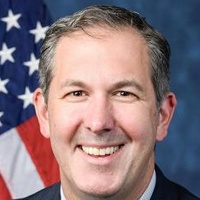
Johnny Olszewski
Representative
MD-2
The STABLE DRC Act establishes U.S. policy to treat the conflict in eastern DRC as a threat to regional stability and authorizes the President to impose targeted sanctions, including asset freezes and visa bans, on foreign persons undermining peace agreements. These measures aim to bolster enforcement and disrupt regional conflict involving the M23 and Rwandan Defense Forces. The sanctions authority will remain in effect for seven years.
New Sanctions Bill Targets Central African Conflict: Asset Freezes and Travel Bans for Undermining Peace Accords
Alright, let's talk about the STABLE DRC Act, because this one's all about trying to cool down a hot conflict far away, but with real-world tools that could hit people where it hurts: their wallets and their travel plans.
The DRC Conflict: A Quick Download
So, what's this bill even about? It kicks off by laying out some pretty serious findings from Congress. Basically, it says that the Rwandan Defense Forces are backing a group called M23 in the Democratic Republic of Congo (DRC), and, on the flip side, the DRC's own armed forces are supporting another group, the FDLR. Both of these groups, M23 and FDLR, are accused of some truly horrific stuff—think war crimes, child recruitment, ethnic cleansing, and sexual violence. The bill points out that there's a peace agreement, the Washington Accords, that's supposed to keep things chill, but clearly, that's not quite happening.
Uncle Sam Steps In: New Policy and Sanction Power
This bill isn't just talk; it sets a formal U.S. policy. First, it's a clear nod to the independence and borders of both the DRC and Rwanda. Second, it labels the ongoing conflict in eastern DRC as a direct threat to both regional stability and U.S. interests in Central Africa. And third, it specifically says the U.S. will use sanctions to support those Washington Accords and try to end the fighting.
Now, here's where it gets really interesting for anyone who might find themselves on the wrong side of this. The bill gives the President the power to slap sanctions on any foreign person who "violates or knowingly undermines the Washington Accords." This isn't just a slap on the wrist; we're talking serious consequences.
What These Sanctions Actually Mean
If you're a "foreign person" (meaning, not a U.S. citizen or entity) and you're deemed to be messing with these peace efforts, the President can hit you with two main things:
- Asset Blocking: This is like a financial deep freeze. Any property or interests you have in the U.S., or that comes into the U.S., can be frozen. Think bank accounts, investments, real estate—all locked up. The bill even says this can happen even if it conflicts with other laws, which is a pretty strong statement about the reach of this power.
- Travel Ban: Forget about visiting the U.S. You'd be inadmissible, ineligible for a visa, and any existing visas you have would be revoked. So, no business trips, no family visits, no vacations to Disney World.
Now, before you think it's a total free-for-all, there are some important exceptions. These sanctions won't apply if admitting someone is necessary for international obligations (like at the UN), or for authorized U.S. intelligence, law enforcement, or national security activities. Crucially, they also won't apply to transactions involving humanitarian aid—stuff like food, medicine, medical devices, or the financial transactions and transport needed to get that aid where it needs to go. That's a good thing, because you don't want to punish ordinary people trying to survive.
The Catch and the Clock
This new authority for the President to impose sanctions isn't forever. It's got a seven-year shelf life, meaning it expires seven years after the bill becomes law. So, it's a powerful tool, but one with a built-in sunset clause.
The Real-World Takeaway
For regular folks, this bill might seem distant, but it’s a big deal for international relations and human rights. If you're a small business owner dealing in global trade, or someone working for an international NGO, understanding these kinds of sanction authorities is crucial. While the humanitarian aid exceptions are there, any broad sanctioning power can create ripples, sometimes making it harder for legitimate activities to navigate the financial system. The broad language around what it means to "undermine" the Washington Accords could give a lot of leeway, which is something to keep an eye on. It's a classic balancing act: trying to hold bad actors accountable while minimizing unintended collateral damage. The goal here is peace and stability in a region that desperately needs it, but the tools being used are sharp and require careful handling.