The FORGE Act establishes the Foundational Infrastructure for Responsible Use of Small Modular Reactor Technology (FIRST) program within the Department of State to promote the responsible international deployment of U.S. civil nuclear energy technology.
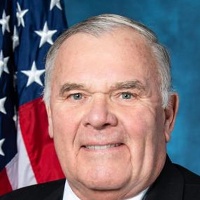
James Baird
Representative
IN-4
The FORGE Act establishes the Foundational Infrastructure for Responsible Use of Small Modular Reactor Technology (FIRST) program within the Department of State. This program aims to promote the responsible international deployment of U.S. civil nuclear energy, particularly Small Modular Reactors. It focuses on advocating for U.S. technology abroad while ensuring partner countries adhere to high safety and nonproliferation standards.
New FORGE Act Boosts US Nuclear Tech Exports, Creates Global Program
Alright, let's talk about the FORGE Act, which sounds like something out of a sci-fi movie, but it's actually about how the U.S. wants to get more involved in the global nuclear energy game. This bill, officially known as the Framework for Oversight of Responsible Global Energy Act, is setting up a brand-new program called the Foundational Infrastructure for Responsible Use of Small Modular Reactor Technology (FIRST) within the Department of State. Think of it as America's new diplomatic arm for pushing our nuclear technology, especially those smaller, more flexible reactors, onto the international stage.
Powering Up Diplomacy
So, what's this FIRST program actually doing? Well, it's got a few key missions. First off, it's all about promoting U.S. economic and national security interests by getting our civil nuclear energy tech deployed responsibly around the world. This means the Under Secretary for Arms Control and International Security, or their designated person, will be out there, shaking hands and making deals, advocating for U.S.-made nuclear projects, technology, and products. They'll be doing this through both one-on-one country talks and bigger international forums. It's like having a dedicated sales team for American nuclear innovation, ensuring our businesses get a fair shot against state-backed competitors from other countries. For anyone working in manufacturing, engineering, or even just looking at the bigger economic picture, this could mean new markets and opportunities for U.S. companies and their workers.
Safety First, Always
One of the big pushes here is making sure that any nuclear energy deployment, particularly for these small modular reactors, sticks to the absolute highest safety, security, and nonproliferation standards. The program will be consulting with partner countries, basically giving them the playbook on best practices for licensing, legal frameworks, and regulations if they want to adopt U.S. nuclear tech. This is a pretty big deal because, let's be honest, nuclear energy has a reputation that needs careful handling. By emphasizing these standards, the U.S. is trying to ensure that as more countries consider nuclear power, they do it safely and securely. This could mean more stable energy grids globally, which, in turn, can have ripple effects on everything from global trade to humanitarian efforts.
From Blueprints to Power Grids
Beyond the diplomatic talk, the FIRST program is also designed to offer some practical help. It'll provide early-stage commercial project development support, like feasibility and engineering studies. Imagine a U.S. company looking to build a new reactor in a partner country; this program could help them get those crucial initial studies done, which are often the biggest hurdle to getting a big project off the ground. They'll also be working with partner countries on training programs, sharing technical resources, and even coordinating codes and standards to support the rollout of these small modular reactor fleets. This kind of collaboration could create a global network of expertise, potentially leading to more efficient and safer nuclear energy solutions worldwide. For anyone in the trades or technical fields, this could mean new training opportunities and a demand for specialized skills as these projects develop. The program has a clear end date, too, sunsetting on June 8, 2034, so it's not an open-ended commitment. Congress will also be getting regular reports and briefings, within 120 days of the Act's enactment and every three years after, detailing everything from diplomatic outreach to funds spent, keeping things transparent.